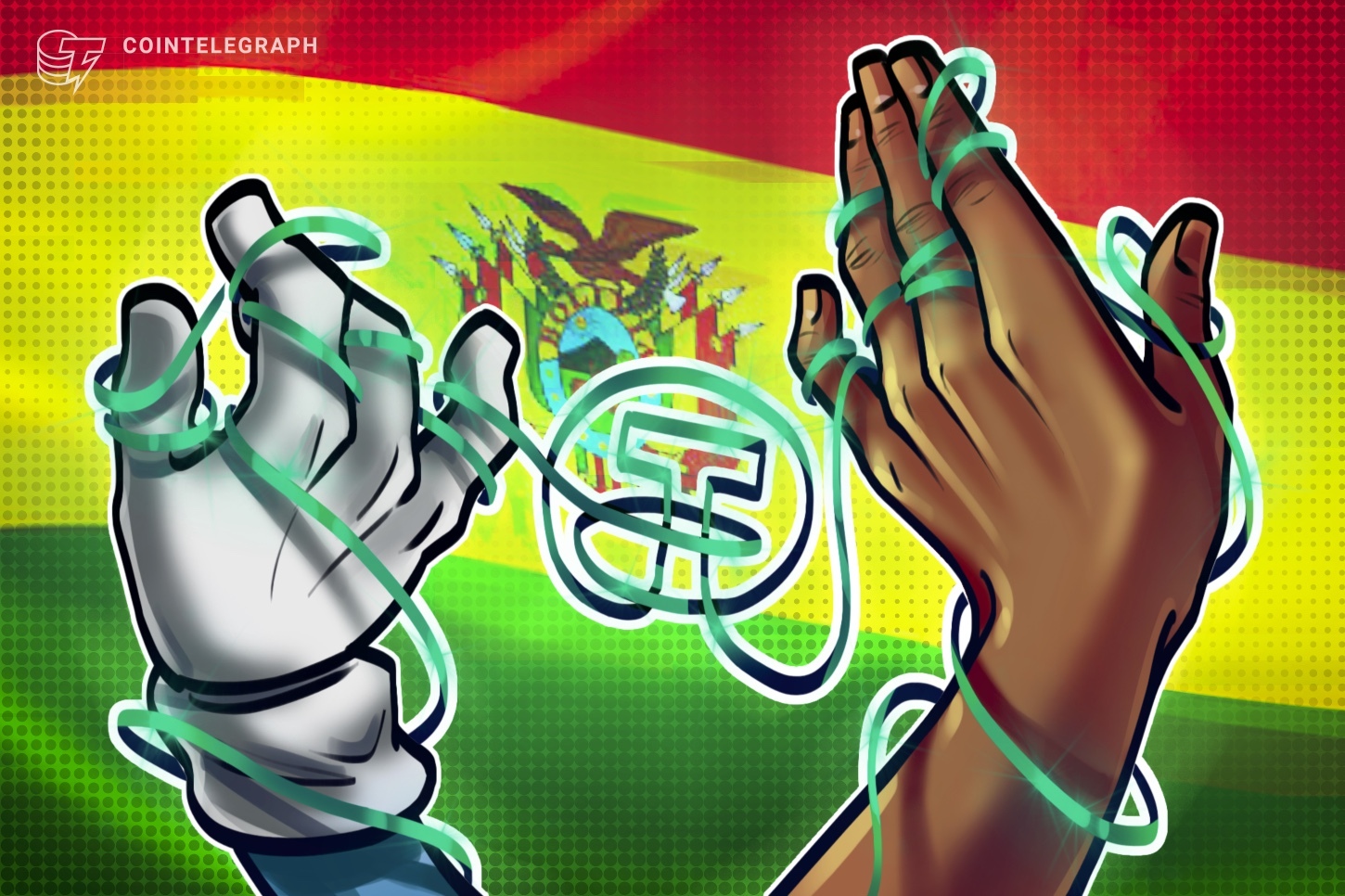
When a nation-state begins flirting with stablecoins, it usually is not because they have fallen in love with the elegance of blockchain architecture. It is almost always because the local fiat currency is failing and the traditional banking rails are broken. Bolivia is currently the latest example of this trend, as the government explores the formal integration of USDT into its economy.
The Reality of the Greenback Gap
The backstory here is simple: Bolivia is running out of physical U.S. dollars. Their foreign currency reserves have been under heavy pressure for months. When a country lacks dollars, it cannot pay for imports, it cannot service foreign debt easily, and the local population starts to panic. In the streets of La Paz, the gap between the official exchange rate and the black market rate is widening. This is the classic precursor to a currency crisis.
Instead of doubling down on the failing boliviano or attempting to launch a complex Central Bank Digital Currency (CBDC) from scratch, the government is looking at what people are already doing. They are looking at Tether. Specifically, they are considering a framework that would allow USDT to be used for payments, savings, and international trade. This is not about being a crypto pioneer; it is about survival logic.
Why Tether?
For those of us in the builder community, we often debate the merits of decentralization. We talk about over-collateralized loans and algorithmic stability. But for a business owner in a high-inflation environment, Tether is the primary choice for one reason: liquidity. It is the closest thing to a digital dollar that can be moved without a bank's permission.
By weighing the recognition of USDT as a valid payment currency, Bolivia is effectively outsourcing its monetary policy to a private company in the British Virgin Islands. That is a massive admission of local failure, but for the average Bolivian merchant, it is a lifeline. It allows them to price goods in a stable unit of account and settle transactions without waiting for a physical dollar that might never arrive.
The Builder Perspective
If you are building in the crypto space, this move should be a signal. We spend a lot of time on speculative assets and complex yield farming, but the real utility is still found in the boring stuff: moving value across borders when the legacy system says no.
- Infrastructure over hype: Bolivia does not need a new NFT marketplace. They need reliable on-ramps and off-ramps that allow small businesses to swap USDT for local currency or goods.
- User experience matters: If a government is going to legalize a stablecoin for trade, the wallet infrastructure needs to be foolproof. We are talking about people who are not "crypto native" using these tools to buy flour and fuel.
- Regulatory arbitrage: This move highlights a growing trend where developing nations are more willing to experiment with private stablecoins than developed ones. These regions are the true testing grounds for real-world adoption.
The Skeptics Corner
I have to be honest: there is a significant risk here. USDT is transparent-ish, but it is still a centralized point of failure. If Tether were to face a massive regulatory crackdown or a backing crisis, the impact on a country like Bolivia would be devastating. By tying their economy to a private stablecoin, they are trading one dependency for another.
However, from a founder's perspective, I respect the pragmatism. Most governments spend years writing whitepapers on CBDCs that never launch. Bolivia is looking at the market and seeing what is already working. They are witnessing the "Tetherization" of the global south in real-time and deciding that it is better to regulate and facilitate it than to fight a losing battle against the black market.
What This Means for Trade
If this framework passes, we will see a shift in how regional trade operates in South America. If a Bolivian importer can pay a supplier in Brazil or China using USDT with the government's blessing, the friction of international trade drops significantly. They bypass the correspondent banking system, which is slow, expensive, and currently inaccessible to them due to the dollar shortage.
This is the ultimate stress test for stablecoins. We have seen them used for gambling and for decentralized finance (DeFi) loops. Now we are going to see them used to keep a country's lights on. It is a grim reason for adoption, but it is the most honest use case we have ever seen for this technology.
Small businesses do not care about the philosophy of the blockchain. They care about being able to buy inventory next Tuesday.
The Takeaway for Builders
Stop looking for the next shiny narrative and look at the plumbing. The real opportunity in the next few years is not in creating more tokens, but in building the bridge between these failing fiat systems and the digital assets that people are actually using to survive. Bolivia is telling us exactly what the world needs: a way to store value and move it when the local government can no longer provide a stable medium of exchange.
Whether Tether is the perfect solution is debatable. The fact that it is the chosen solution is undeniable. Builders should focus on the stability, the off-ramps, and the actual utility of these assets in regions where the alternative is economic collapse. That is where the real founders are going to make an impact.
Read the original at Cointelegraph →