The Practical Pivot in La Paz
For years, the narrative around South American crypto adoption focused heavily on El Salvador’s bold Bitcoin experiment. But while Nayib Bukele was playing the long game with digital gold, Bolivia was taking a much more conservative, almost hostile stance. That is changing now, and not because of a sudden change of heart regarding decentralization, but because of a desperate need for liquidity.
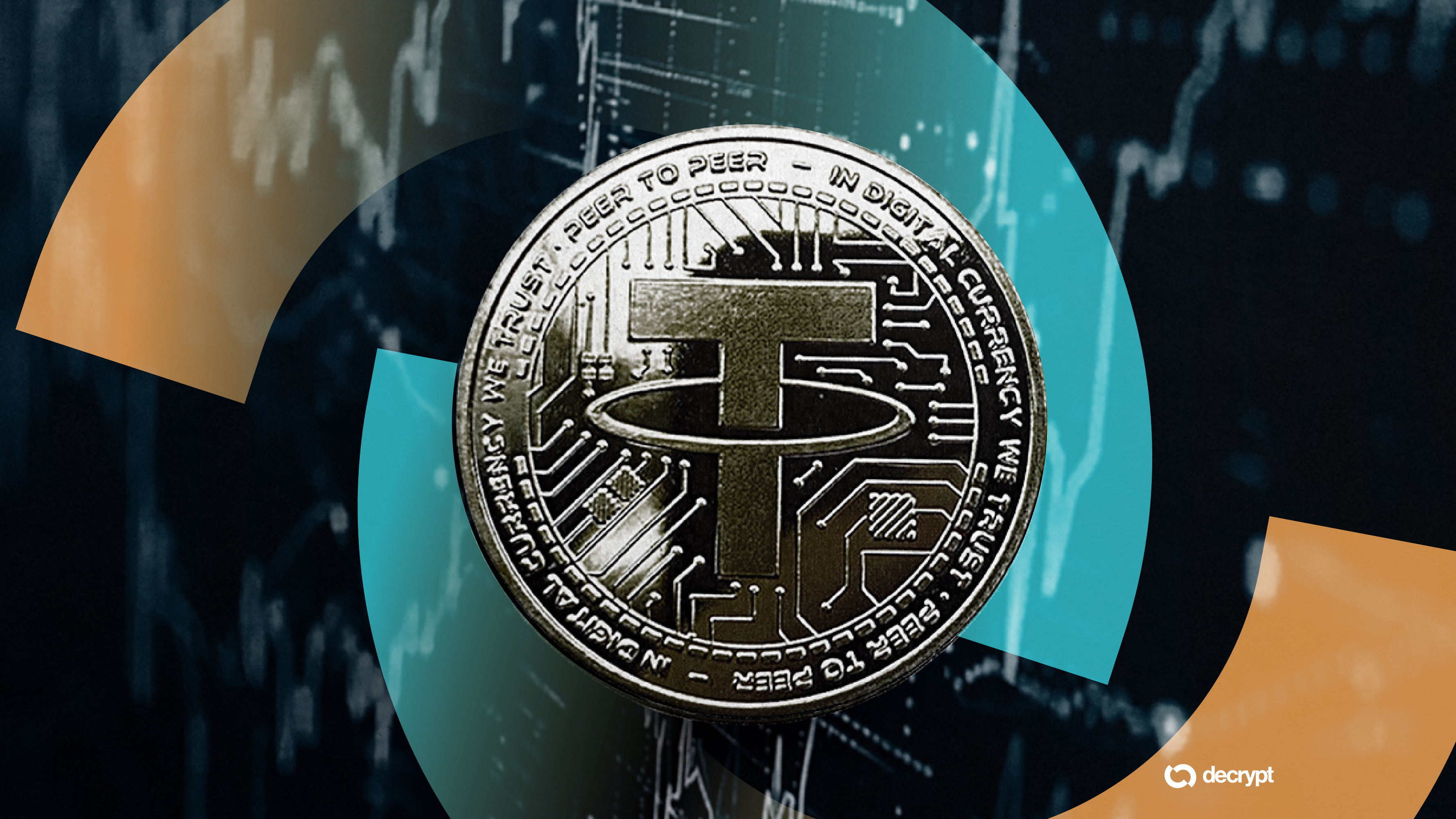
Reports out of Bolivia indicate the government is actively considering integrating Tether’s USDT into its national payments infrastructure. This isn't just a pilot program for a few geeks in a lab; it is a systemic shift. The Central Bank of Bolivia and other regulatory bodies are looking at stablecoins as a pressure valve for a domestic economy that is suffocating under the weight of a severe U.S. dollar shortage.
As a builder, I look at this and see the ultimate validation of the "utility over ideology" thesis. People don't want to play with volatile assets when they are trying to pay rent or import basic goods. They want something that stays still. In the developing world, that something is the dollar, and the easiest way to hold a dollar right now is a ERC-20 or TRC-20 token.
Why Tether, Why Now?
Bolivia spent the better part of a decade keeping crypto at arm's length. They had strict bans in place that were only recently lifted to allow banks to handle digital asset transactions. The reason for the thaw is simple: the central bank's foreign currency reserves have bottomed out. When a country runs out of physical greenbacks, the black market usually takes over. The Bolivian government is realizing that if they can't provide dollars, they might as well provide a digital proxy that they can at least monitor within their banking system.
USDT is the clear choice here, regardless of what the critics say about Tether’s transparency. It’s the most liquid, most widely held stablecoin in the global south. For a country like Bolivia, USDT serves as a bridge to international trade that their local currency, the Boliviano, can no longer sustain. By integrating it into the national payment system, they are effectively dollarizing the economy without actually having to source the physical cash.
This is a massive shift in how we think about sovereign currency. We are seeing the birth of a hybrid system where a sovereign nation stays in control of the rails, but gives up control of the unit of account to a private, offshore stablecoin issuer. It’s a messy compromise, but for a founder, it’s a clear signal of where the real volume is going to be in the next five years.
The Multi-Layered Risk Profile
I’m always skeptical when a government suddenly decides crypto is the answer to its fiscal mismanagement. If you’re a builder looking at this region, you have to weigh the opportunity against some very real counterparty risks. If Bolivia integrates USDT, they are essentially tethering their national economic stability to a company based in the British Virgin Islands that has never undergone a full audit by a Big Four accounting firm.
There is also the risk of regulatory whiplash. Today, the government wants stablecoins because it needs a fix. Tomorrow, if the dollar reserves return or the political winds shift, they could just as easily shut down the off-ramps. We’ve seen this pattern in Nigeria and Argentina. The government loves the technology when it solves a crisis, then fears it once the crisis passes and they realize they’ve lost their monopoly on the money supply.
However, from a developer perspective, this creates a massive demand for localized stablecoin infrastructure. We need better ways to move USDT into the hands of ordinary citizens without them getting identity-theft’ed or scammed. We need non-custodial wallets that are simple enough for a street vendor to use, and we need bridges that don't charge 10% in fees. If a national payment system adopts the standard, it sets the stage for a localized ecosystem of apps that actually do something useful.
What This Means for Builders
If you are building in the crypto space and you aren't looking at South American stablecoin adoption, you are missing the forest for the trees. While we argue about L2 scaling and governance tokens in the West, people in Bolivia are looking for a way to save their purchasing power from 20% inflation and currency devaluation.
Builders should lean into the "Middle-Ware" layer here. The challenge isn't creating a new coin; it’s creating the plumbing. If USDT becomes part of the national system, it needs:
- Localized Compliance: Tools that help small businesses report their crypto income without needing a law degree.
- Offline Transactions: Solutions for a population that doesn't always have 5G access but needs to settle a transaction in a marketplace.
- Trustless On-Ramps: Peer-to-peer marketplaces that are integrated into the existing local banking apps.
The real takeaway here is that the "crypto winter" or "market cycles" don't matter in these regions. The demand for a stable, digital dollar is constant and growing. When a central bank admits they need Tether, the debate over crypto's utility is officially over.
The Skeptic's Corner
Let’s be honest: Bolivia isn't doing this because they love innovation. They are doing this because they are backed into a corner. We should expect the implementation to be clunky, potentially prone to surveillance, and definitely subject to political grandstanding. But as I've said before, the tech doesn't care about the motive. Once the rails are laid, they are incredibly hard to tear up.
If this goes through, Bolivia joins a growing list of nations that are essentially outsourcing their monetary policy to the blockchain. It’s a fascinating, terrifying, and ultimately inevitable experiment. The question for us isn't whether it will work—people are already using USDT under the table—but whether the official adoption will actually help the average person or just provide a new way for the elite to move capital out of the country.
Keep your eyes on the actual implementation details. A press release about "considering" a stablecoin is one thing; a signed decree that allows banks to hold USDT as reserve collateral is another thing entirely. That’s the milestone that changes the game.
Read the original at Decrypt →