The Quantum Boogeyman Gets a Budget
For years, the threat of quantum computing has been the ultimate 'some day' problem in crypto. It is the kind of thing people talk about at bars after three drinks—the idea that a sufficiently powerful computer could eventually crack the private keys that hold the entire Bitcoin network together. Most builders have treated it like the heat death of the universe: technically inevitable, but not something you need to worry about before lunch.
That changed this week. BlackRock, Coinbase, and Strategy have formed a loose consortium to throw $15 million at the problem. This isn't a massive amount of money in the context of their balance sheets, but it is a signal. When the world's largest asset manager and the biggest U.S. exchange start hedging against a theoretical threat, it means they are no longer treating it as science fiction.
Why Quantum Matters for Bitcoin
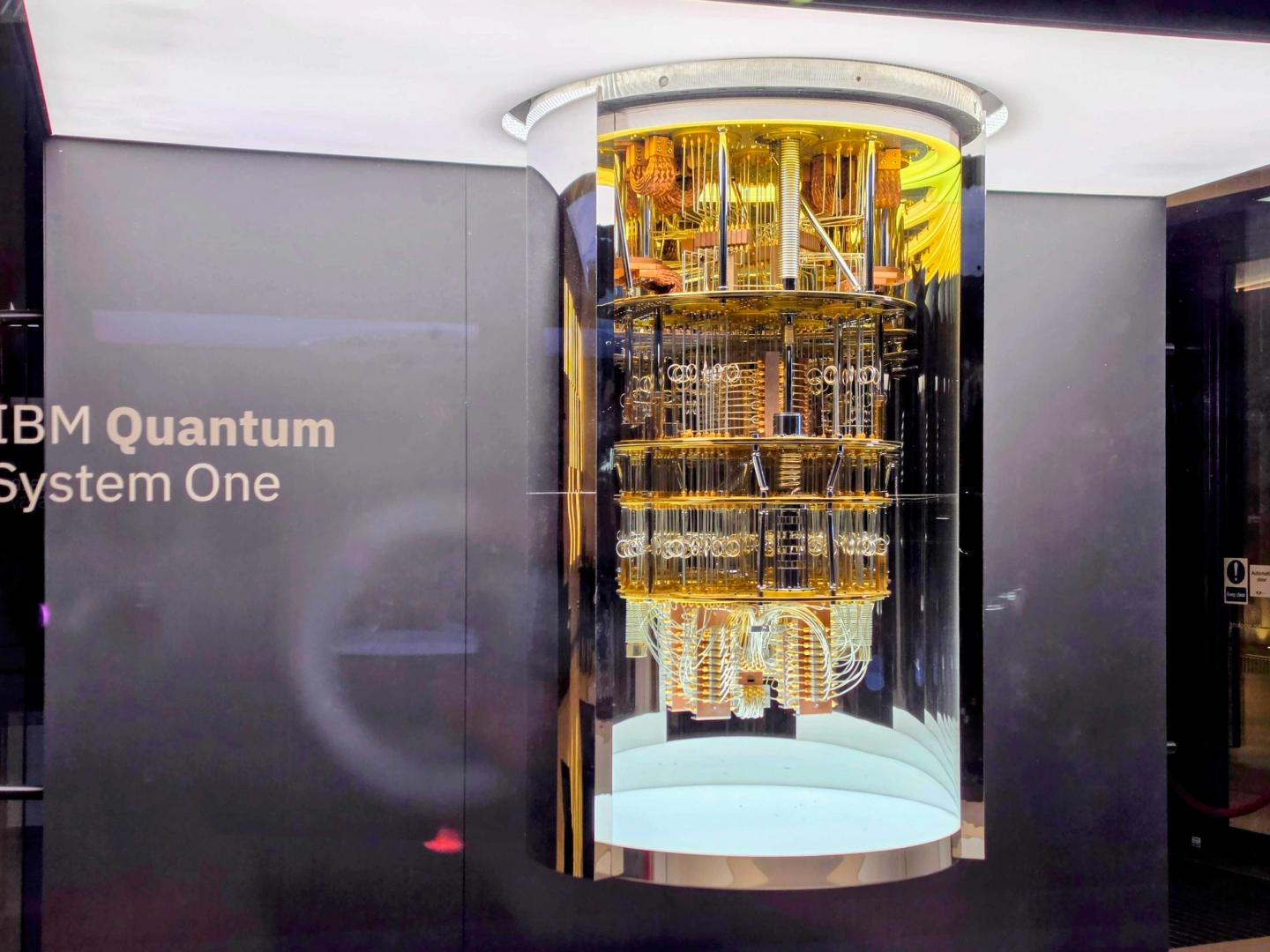
The core of the issue is cryptography. Bitcoin relies heavily on the Elliptic Curve Digital Signature Algorithm (ECDSA). It is robust, proven, and currently unhackable by any classical computer on Earth. However, quantum computers operate differently. Through something called Shor’s algorithm, a quantum machine could theoretically derive a private key from a public key in a fraction of a second.
If that happens before Bitcoin upgrades its signature scheme, the game is over. Anyone with a quantum computer could spend coins from any address. More importantly, they could destroy the trust that gives the asset value in the first place. The $15 million pledge is specifically targeted at developing 'quantum-resistant' or post-quantum cryptography (PQC) that can be integrated into the protocol before the hardware exists to break it.
The Governance Tightrope
One of the most interesting parts of this announcement is the disclaimer. The group explicitly stated they have no role in Bitcoin governance or protocol decisions. This is a necessary piece of theater. Bitcoin is a decentralized meritocracy—or at least, it tries to be. If BlackRock and Coinbase showed up with a checkbook and a list of demands for the code, the developer community would likely revolt.
Instead, the funding will be directed independently. This means the money goes to researchers and developers who are already doing the work, rather than a centralized committee making 'official' Bitcoin decisions. For builders, this is the right way to handle it. You want the resources of the giants, but you don't want their fingerprints on the consensus rules.
Is $15 Million Enough?
Let’s be honest: $15 million is a rounding error for these companies. It’s the price of a mid-sized marketing campaign or a legal settlement for a minor compliance hiccup. However, in the world of open-source development, $15 million can fund a lot of high-level research. We aren't talking about building a new blockchain; we are talking about math and implementation strategies.
The real value isn't the dollar amount. It's the legitimization of the threat. For a long time, mentioning quantum threats made you sound like a tinfoil-hat conspiracist. Now, it’s a line item in a corporate budget. This provides cover for other developers to spend time on this issue without feeling like they are wasting their careers on a phantom menace.
The Technical Hurdle
Moving Bitcoin to a quantum-resistant state isn't as simple as a software update on your phone. It requires a soft fork—or possibly a hard fork, depending on who you ask. It involves changing the way keys are generated and how transactions are signed. There is also the 'lost coin' problem. Millions of BTC are held in older address formats where the public key is already exposed. If a quantum computer comes online, those coins are the first to be stolen.
Addressing this requires a massive migration effort. Every active user will eventually need to move their funds to new, quantum-safe addresses. This creates a UX nightmare and a security risk during the transition. The research funded by this $15 million will likely focus on how to make this transition as invisible and painless as possible for the average holder.
What This Means for Builders
If you are building in the Bitcoin ecosystem, this news should change your long-term roadmap. We are moving toward an era where 'quantum-ready' will be a marketing requirement. Users and institutional allocators will start asking if your wallet or your Layer 2 solution is prepared for the post-quantum world.
- Don't panic, but start reading: You don't need to rewrite your stack today, but you should understand the basics of Lamport signatures or Winternitz signatures.
- Watch the research: Follow the specific developers and institutions receiving these grants. These are the people who will define the standards for the next decade of Bitcoin.
- Focus on flexibility: If you are building new tools, ensure your architecture is modular enough to swap out cryptographic primitives when the time comes.
The Skeptic's View
As much as I like seeing funding go toward security, we have to look at the optics. BlackRock and Coinbase have a vested interest in Bitcoin being perceived as a 'safe' institutional asset. By funding this group, they are effectively buying insurance against a narrative. If a major news outlet runs a story about quantum computers killing crypto, these firms can now point to this initiative and say, 'We’re already on it.'
There is also the risk of 'research theater.' If the money stays internally within academic circles and never results in actual BIPs (Bitcoin Improvement Proposals) that get adopted by the network, then it was just an expensive PR exercise. The proof will be in the GitHub repositories, not the press releases.
The Reality Check
Quantum computers powerful enough to break Bitcoin are still years—likely decades—away. But in the world of global financial infrastructure, a decade is a heartbeat. Cryptographic transitions take a long time to test and even longer to gain consensus. Starting now is the only responsible choice.
Bitcoin’s biggest strength is its immutability and its resistance to change. Its biggest weakness is that same resistance to change when a genuine existential threat appears. This funding is a bet that the community can find a way to navigate a massive technical shift without breaking the fundamental promise of the network.
The Takeaway
BlackRock and Coinbase aren't just buying Bitcoin; they are buying into its long-term survival. For the rest of us, it’s a reminder that the 'settled' tech of today is the 'legacy' tech of tomorrow. If you’re building for the next twenty years, you can’t ignore the physics of the next fifty. The quantum threat is finally being treated as a logistical problem instead of an imaginary one. That is good for the industry, even if the check is relatively small.
Read the original at CoinDesk →