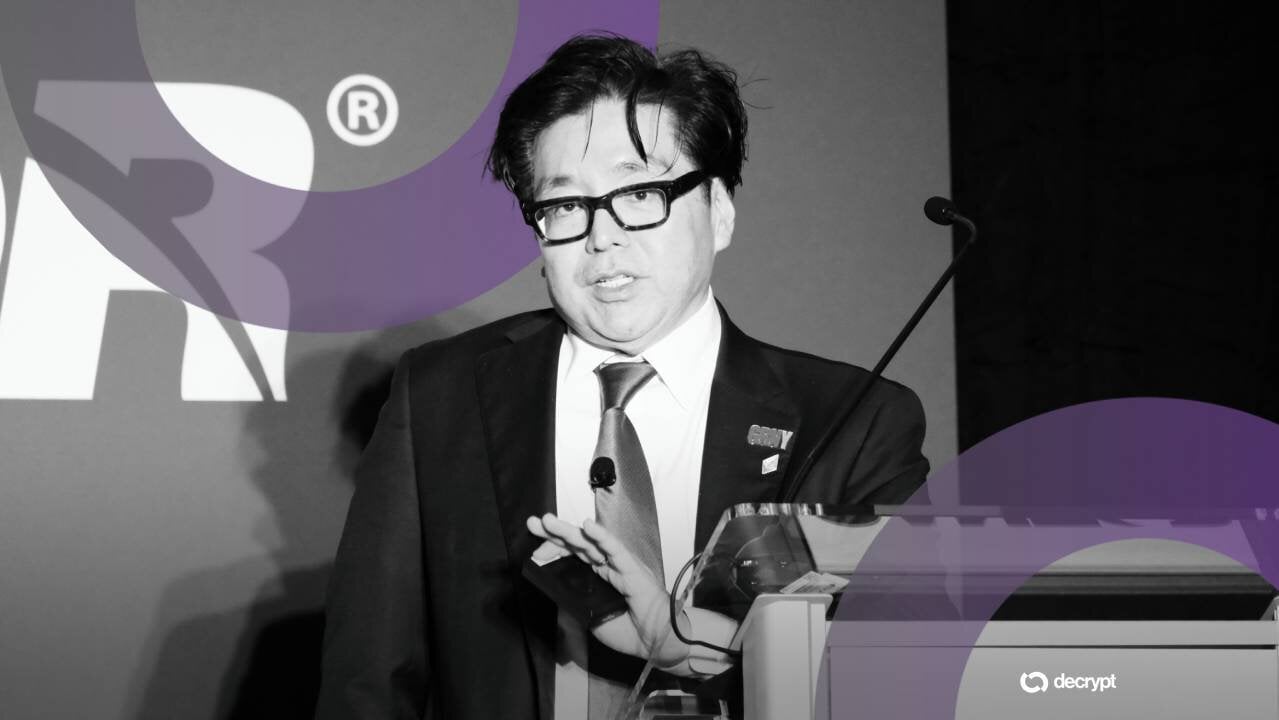
Institutional money usually moves with the grace of an icebreaker ship: it is slow, loud, and hard to ignore. When BitMine recently sank $49 million into Ethereum, it was not just a speculative play on a chart. It was a signal of confidence in the underlying infrastructure, specifically the recent traction seen on the Robinhood Chain. BitMine Chairman Tom Lee has been vocal about this connection, and for those of us watching the plumbing of the industry, it is a significant moment for the network effect.
The Institutional Appetite
Large-scale accumulation like BitMine’s recent Ethereum purchase represents more than just a treasury diversification strategy. In the crypto world, we often talk about the flippening or institutional adoption as if they are abstract concepts. But a $49 million buy-in is a concrete bet on Ethereum's continued dominance as the settlement layer for everything else. BitMine isn't looking for a quick 10% flip; they are positioning themselves for a world where Ethereum serves as the backbone of a new financial stack.
What makes this specific move interesting is the timing. Ethereum has faced a lot of criticism lately for being too expensive or too slow for the average user. However, the institutional perspective differs. To a firm like BitMine, Ethereum is the land. You buy the land because you expect developers to build high-rise apartments on top of it. One of those high-rises just happens to be the Robinhood Chain, and its early occupancy rates are looking surprisingly healthy.
Robinhood and the Retail Onramp
Robinhood has always been a polarizing figure in finance. They gamified trading, caught the ire of the SEC, and became the face of the meme stock era. But from a builder's perspective, they have something most crypto-native protocols lack: a massive, pre-existing user base that already knows how to navigate an interface. By launching their own Layer-2 network on Ethereum, Robinhood is essentially creating a walled garden with a very wide gate.
Tom Lee’s assessment of the Robinhood Chain demand highlights a shift in how we measure success. It is no longer just about total value locked in decentralized finance protocols that only crypto nerds use. It is about how many everyday investors are moving assets into an ecosystem they trust. Robinhood provides that trust bridge. When those users trade or move assets on the Robinhood Chain, they are indirectly driving demand for the settlement layer: Ethereum.
Why Layer-2 Success Matters for Builders
If you are building in this space, the success of a retail-heavy Layer-2 like Robinhood’s should change your roadmap. For years, the barrier to entry for dApps was the wallet experience. You had to learn about seed phrases, gas fees, and RPC settings just to swap a token. Robinhood abstracts much of that away. For developers, this means the potential audience for your product just grew by millions of people who don't care about the tech, they just want the tool to work.
The takeaway for founders is that the future of Ethereum isn't necessarily on the mainnet. The mainnet is for the BitMines of the world—the entities moving $50 million at a time. The actual activity, the volume, and the innovation will happen on these secondary layers. If you aren't thinking about how your product integrates with these institutional-backed retail chains, you are likely building for a ghost town.
The Skeptic’s View
I have to keep it honest: I am always a bit wary when a major chairman starts hailing the demand of a new product. There is often a bit of a feedback loop between institutional holders and the platforms they support. However, the data doesn't lie. If Robinhood can successfully migrate even a fraction of its active traders to on-chain activity, the burn rate and demand for Ethereum will be fundamentally altered. This isn't just hype; it's a structural change in how capital flows into the ecosystem.
The risk, of course, is centralization. A Layer-2 run by a major corporation like Robinhood isn't exactly the cypherpunk dream. But let’s be realistic: if we want a billion people using these systems, we need the onramps to be simple. We need the Robinhoods and the BitMines to provide the liquidity and the user interface. We can worry about the nuances of decentralization once the foundation is actually poured and the lights are on.
- Ethereum is increasingly being viewed as a macro-asset rather than just a tech experiment.
- Layer-2 networks are the primary growth engine for Ethereum demand.
- Institutional buys like BitMine's validate the theory that utility drives price.
- Retail adoption through trusted brands like Robinhood is the shortest path to mass market.
For those of us in the trenches, the headline here is not the $49 million. The headline is that the big money is finally recognizing that Ethereum’s value comes from its ability to host other successful businesses. When Robinhood wins, Ethereum wins. When Ethereum wins, the institutions that bought the land early win the most.
Final Thoughts for the Founder
Stop focusing on the noise of the price action and start looking at where the large-scale liquidity is being parked. BitMine isn't buying because they like the logo; they are buying because they see a massive corporation like Robinhood funneling millions of users toward a network that requires Ethereum to function. This is a classic supply and demand story, and we are still in the early chapters. Build where the users are, and right now, the users are following the names they already know.
Read the original at Decrypt →