When you look at the landscape of crypto wealth, there are two types of founders. There are the ones trying to buy legitimacy by donating to established institutions, and there are the ones who want to flip the table over entirely. Ben Delo, the co-founder of BitMEX, seems to have firmly planted his flag in the second camp.
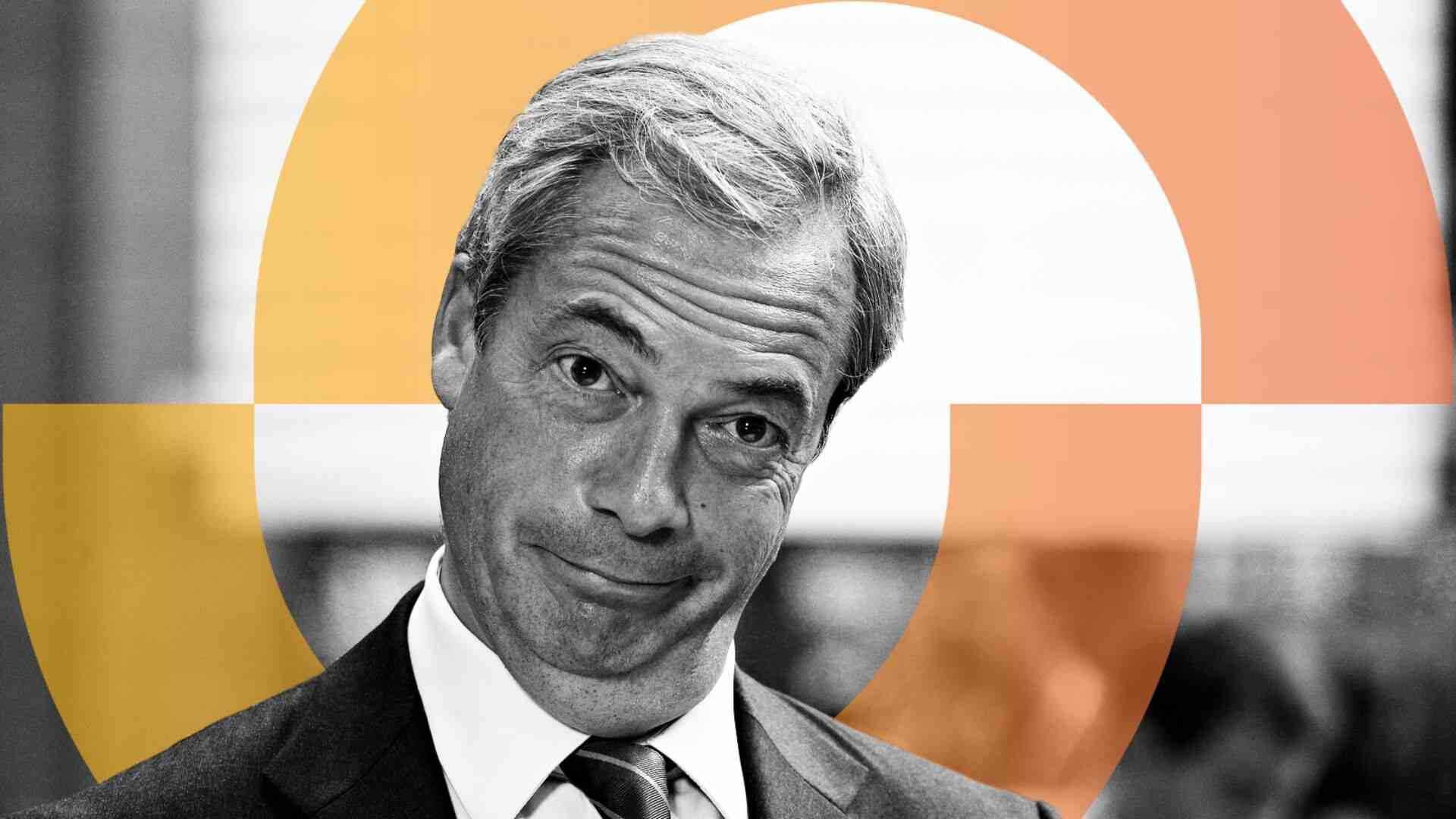
Recent filings show that Delo has funneled another 4 million pounds into Reform UK, the populist party led by Nigel Farage. This isn't just a small contribution or a way to get an invite to a gala. This single influx of cash accounted for roughly three-quarters of the party's entire donation haul for the quarter. To put that in perspective, the next largest gift they received was a mere 180,000 pounds. Delo isn't just a supporter; at this point, he is the financial backbone of the movement.
The Founder Perspective on Disruptive Capital
For those of us building in the trenches, we see this pattern often. Founders who grew up in the adversarial environment of early crypto exchange building—where you are constantly fighting regulators, legacy banks, and old-world gatekeepers—rarely develop a taste for centrist politics. They tend to gravitate toward figures who promise to dismantle the status quo, for better or worse.
Delo’s history with BitMEX is well-documented. He was part of the trio that pioneered perpetual swaps, a product that changed the industry but also put them directly in the crosshairs of the U.S. government. After dealing with the legal fallout and the complexities of global regulation, it is hardly surprising to see a founder like Delo backing a political entity that positions itself as the ultimate outsider. Reform UK thrives on the idea that the existing system is broken beyond repair. For a crypto pioneer, that’s a familiar narrative.
Why Builders Should Care
You might be wondering what a UK political donation has to do with your seed round or your smart contract audit. The reality is that the bridge between decentralized finance and populist politics is getting shorter. We are seeing a massive shift in how the "new money" of the AI and crypto booms is being deployed to influence the physical world.
When a single individual can provide 75% of a political party's funding, it creates a specific kind of leverage. For builders, this signals a future where the regulatory environment won't just be shaped by lobbyists in suits, but by high-conviction individuals with massive war chests who are willing to back candidates that the establishment considers radioactive. Whether you agree with Farage or not, the mechanism here is what matters: crypto wealth is being used as a blunt force instrument to bypass traditional political fundraising cycles.
The Skeptic's Lens
Let’s be honest for a second. There is a risk here. When crypto founders become synonymous with polarizing political figures, it complicates the mission for the rest of us. If the general public starts to view crypto wealth as a tool exclusively for populist disruption, the road to mainstream adoption gets a lot steeper. It invites a level of scrutiny that many early-stage startups aren't prepared to handle.
Furthermore, there is the question of long-term strategy. Backing an outsider party is a high-risk, high-reward play. If Reform UK gains significant ground, Delo looks like a visionary who helped reshape British politics. If they remain on the fringes, it’s a lot of capital spent for very little institutional sway. For a guy who built one of the most successful trading platforms in history, this is likely a calculated bet, but it's one that carries a heavy reputational cost.
A Lesson in Concentration
One of the most striking parts of this story is the sheer concentration of the funding. In the crypto world, we talk about decentralization as a core virtue. We want distributed networks and democratized access. But here, we see the exact opposite in the political sphere: a highly centralized funding model where one person holds the keys to a party's survival.
This is a paradox we are going to have to grapple with as an industry. As we generate more wealth through automated systems and decentralized protocols, that wealth remains concentrated in a few hands. How those hands choose to move the needle in the real world will define the next decade of our industry's relationship with society.
The move represents a shift from crypto founders wanting a seat at the table to founders wanting to build a new table entirely.
The Takeaway for the Ecosystem
If you are building in AI or crypto right now, take note of the optics. The era of the "quiet founder" is ending. The capital being generated in our space is looking for a home, and increasingly, that home is in political movements that mirror the disruptive nature of the technology itself.
My advice? Don't get distracted by the headlines, but don't ignore the trend. We are entering a phase where the wealth created by code is directly challenging the power held by traditional institutions. Ben Delo's 4 million pounds is just the beginning of a much larger trend of founders using their exits to fund the friction they believe is necessary for change. Watch the money, because it tells you exactly where the next battle lines are being drawn.
Read the original at Decrypt →