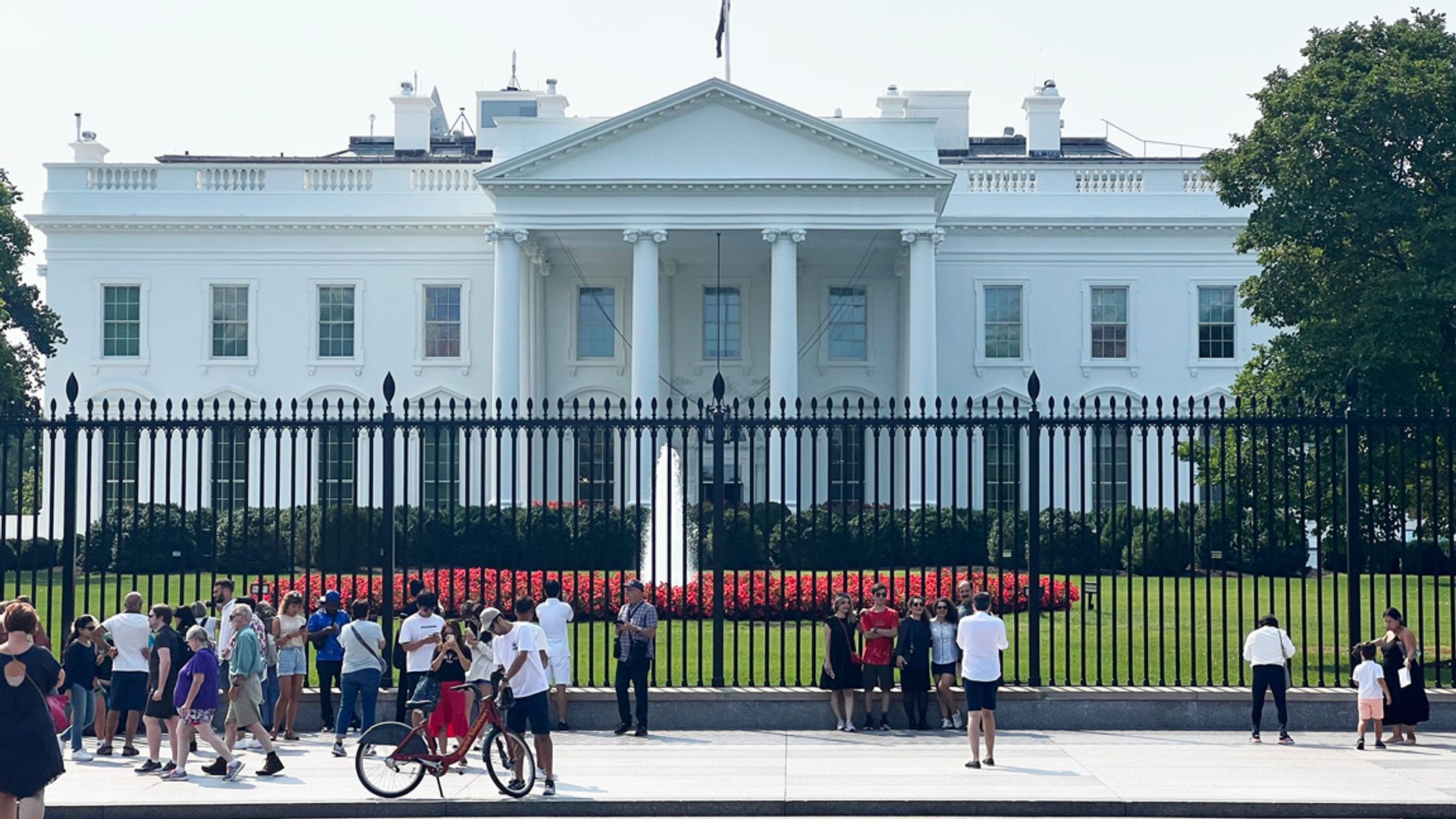
We keep hearing about the United States becoming a crypto superpower. It is a great line for a stump speech, and it certainly moves the needle for retail investors who want to see Bitcoin hit six figures. But the reality inside the beltway is a lot messier than the headlines suggest. Recent updates from the White House indicate that the proposed federal Bitcoin reserve is still stuck in the evaluation phase. They are hashing out the structure, which is government-speak for we have no idea who is going to hold the keys yet.
The Logistics of a Sovereign HODL
The concept is simple on paper: the government keeps the Bitcoin it already has from seizures and starts buying more to act as a strategic reserve. Proponents argue this treats Bitcoin like digital gold, providing a hedge against dollar debasement. However, builders know that custodial infrastructure is the hardest part of the equation. Federal agencies are currently debating whether this stockpile should be managed by the Treasury, a new independent body, or farmed out to private enterprise.
For a founder, this is a classic case of administrative debt. You have a massive asset class that the government has historically treated as a nuisance or a piece of evidence. Now they want to transform it into a pillar of national security. The friction comes from the fact that federal accounting rules and legacy security protocols are not built for multi-sig wallets and cold storage. Every agency involved wants a say in the oversight, but very few have the technical literacy to manage the risk at scale.
Why Structure Matters More Than Adoption
If the government just buys Bitcoin and throws it into a black box, it does not actually help the ecosystem. It might push the price up, but it doesn't solve the underlying issues of regulatory clarity or utility. The White House is reportedly looking at a two-tier system: one for the long-term Bitcoin reserve and a separate bucket for other crypto assets. This distinction is important because it suggests the government is starting to recognize that Bitcoin is fundamentally different from a utility token or a decentralized finance protocol.
Builders should watch the separate stockpile closely. If the government starts holding a basket of diverse digital assets, they are essentially becoming the world's largest venture fund. This creates a massive conflict of interest. Does a project get a pass on SEC enforcement because the Treasury owns a significant portion of its token supply? These are the types of structural questions that are stalling progress in Washington.
The Hidden Security Risk
There is also the matter of the honeypot. A centralized federal Bitcoin reserve is the greatest target in the history of cybersecurity. If the structure is too bureaucratic, it will be slow to respond to exploits or forks. If it is too decentralized across different agencies, the attack surface grows. For those of us building in the space, we know that decentralization is a security feature, not just a philosophy. Watching the government try to square that circle with a top-down mandate is like watching a dinosaur try to code in Rust.
The debate is currently split between creating a new department with fresh talent or trying to retrofit the existing Treasury framework. The latter is more likely but arguably more dangerous. Using legacy systems to manage a trillion-dollar asset class is a recipe for a catastrophic loss that would set the industry back a decade.
What This Means for Founders
While the politicians bicker over the paperwork, builders should stay focused on two things: sovereignty and transparency. The fact that the government is even considering a reserve proves that the asset class has won the war of legitimacy. However, the slow rollout means we cannot rely on the state to provide the liquidity or the framework we need anytime soon.
- Diversify Custody: If the government eventually centralizes massive amounts of Bitcoin, private alternatives for self-custody become even more valuable.
- Monitor the SEC/Treasury Split: The power struggle between these agencies will dictate how the next generation of tokens is classified.
- Build for Volatility: A federal reserve might stabilize price long-term, but the announcement cycles will trigger massive short-term volatility.
The White House taking its time shouldn't be seen as a negative. In fact, a rushed, poorly designed reserve would be much worse. We have seen what happens when governments try to rush into tech they don't understand—it usually ends in a clunky, expensive platform that nobody likes and everyone complains about. For Bitcoin, the stakes are much higher because it involves the national balance sheet.
The Real Takeaway
The U.S. government is currently in the same position many institutional boards were in back in 2020. They know they need to be involved, but they are terrified of the liability. For the builder community, this is a signal to keep building the tools that make institutional participation safe. We need better auditing tools, more robust custody solutions, and clear on-chain reporting. If we want the reserve to work, the private sector has to provide the rails that the government clearly lacks.
The current delay is a reminder that Bitcoin is permissionless, but government adoption is not. While they hash out the structure, the rest of the world keeps mining. The reserve is a work in progress because the government is finally realizing that you can't just treat Bitcoin like a bank account. You have to treat it like a new form of digital infrastructure, and that takes a level of technical depth that D.C. hasn't mastered yet.
Read the original at CoinDesk →