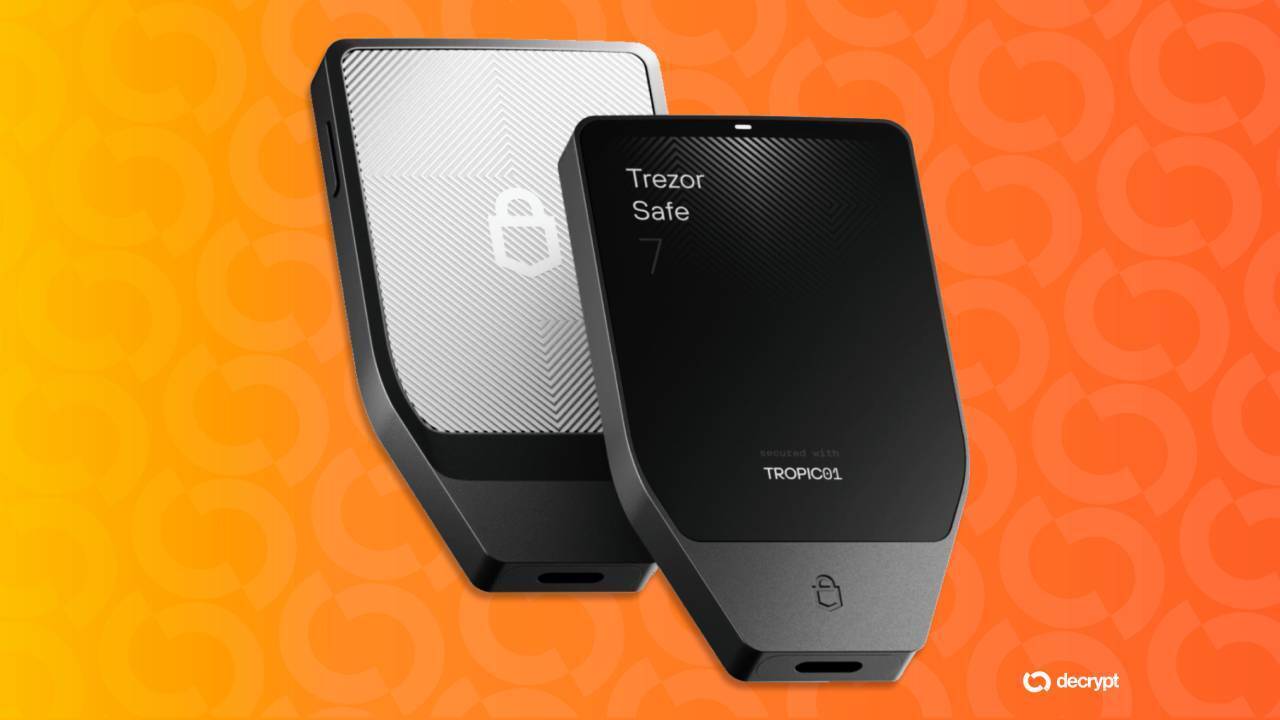
Hardware wallets are built on a specific promise: total isolation. We tell users to buy these devices because keeping keys on a networked computer is a recipe for disaster. But there is a massive irony in the security industry that we rarely talk about in the whitepapers. While the device itself might be an unhackable vault, the logistics chain used to get that vault to your front door is often as flimsy as a wet paper bag.
Trezor, one of the oldest names in the space, is currently dealing with the fallout of another data breach. For the second time in just a few months, a third-party shipping partner has been compromised. This isn't a hack of the Bitcoin wallets themselves, but for the people who bought them, the result is almost as dangerous: their physical locations and order details are now out in the open.
The Logistics Liability
In this latest incident, an unauthorized party gained access to a shipping service used by Trezor. This allowed the attacker to scrape customer names, email addresses, and—most critically—home addresses. If you are a builder in the crypto space, you know that your home address is effectively a target on your back. If a malicious actor knows you own a hardware wallet and they know exactly where you sleep, the digital security of a 24-word seed phrase doesn't matter much when faced with a five-dollar wrench.
This is the second time since late 2023 that Trezor has had to send out the dreaded apology email. The previous breach involved a support portal. This one involves the mailman. It highlights a systemic failure in how we handle the "last mile" of crypto security. We focus so much on the silicon and the entropy that we forget about the CSV files sitting on a legacy server at a mid-tier logistics company in Europe.
Why Builders Should Care
For founders and developers, this isn't just another headline to scroll past. It is a case study in technical debt and third-party risk. When you build a product, you are responsible for the entire lifecycle of the user experience. If you secure the app but leak the user's identity through a marketing tool or a shipping API, you have failed the user just as much as if you had a bug in your smart contract.
We often talk about decentralization as a way to avoid single points of failure. Yet, the business of selling hardware is incredibly centralized. You have a handful of major manufacturers and a global network of couriers. Every time a customer enters their real name and home address into a checkout page, they are creating a permanent record of their status as a crypto holder. In a world where data stays forever, that record is a liability that grows every time the price of Bitcoin ticks upward.
The Privacy-Security Gap
There is a massive gap between privacy and security in the hardware world. Security is keeping the coins safe. Privacy is making sure nobody knows you have coins in the first place. Currently, the industry is okay at the first part and terrible at the second. Trezor’s repeated leaks prove that even if you have a world-class security team auditing your firmware, your marketing and operations teams might be using vendors that haven't updated their passwords since 2015.
As builders, we need to start asking: Why do we need this data? Do we really need to keep a customer’s home address on file for five years? Most of these breaches occur because companies hoard data they no longer need for operational purposes. If the package was delivered three years ago, that address should be purged from every database, including the ones managed by third parties.
The Founder’s Perspective on Trust
Trust is the hardest currency to earn in crypto and the easiest to burn. Trezor has a lot of legacy trust because they were first to market. They’ve survived the test of time. But that legacy is being chipped away by administrative sloppiness. When a user buys a hardware wallet, they are expressing a high level of paranoia. They don't want to trust anyone. Forcing that paranoid user to trust a third-party shipping company is a friction point that we haven't solved.
The paradox of hardware wallets is that to become truly sovereign, you must first tell a centralized corporation exactly where you live.
We are seeing the consequences of this paradox now. Phishing attacks will follow. Users will get emails that look like they are from Trezor support, citing their specific order numbers and home addresses to sound legitimate. Some might even see physical threats. This is the reality of the data economy hitting the sovereign wealth economy.
What Needs to Change
If you are building in this space, take this as a warning to audit your vendors. It isn't enough to secure your own stack. You have to look at every API, every plugin, and every logistics partner you touch. If they don't meet your security standards, they are a vulnerability in your product.
- Data Minimization: Stop collecting what you don't need. If you don't have the data, you can't leak it.
- Ephemeral Records: Set auto-delete policies for sensitive customer info once the transaction is complete.
- Vendor Audits: Treat your shipping and support partners like part of your dev team. If they are weak, you are weak.
- PO Box Advocacy: Encourage users to use non-residential addresses for delivery.
Trezor will likely survive this, but the industry needs to learn the lesson. We are building tools for a future where people are their own banks. Banks don't usually let their customer lists leak to the public every three months. If we want to be taken seriously as a replacement for the legacy financial system, we have to stop acting like a disorganized e-commerce startup.
The Bottom Line
The tech is solid, but the operations are failing. Trezor’s latest breach is a reminder that in crypto, you are only as strong as your weakest third-party integration. For builders, the takeaway is simple: your security perimeter doesn't end at your code. It ends at the customer's front door. If you can't protect their data, don't ask for it.
Read the original at Decrypt →