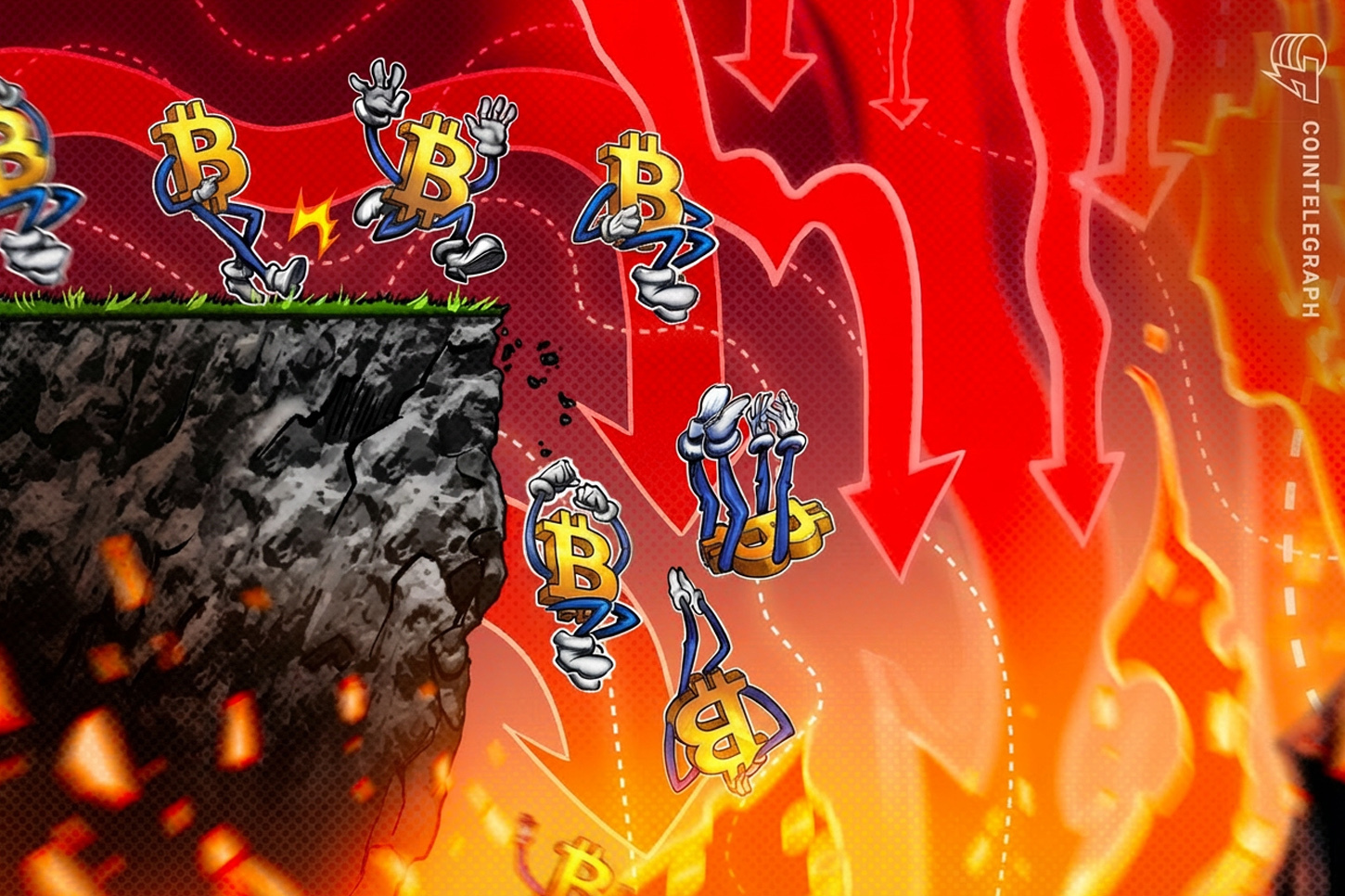
We just closed the books on the second quarter of 2026, and the data is ugly. Bitcoin didn't just stumble; it confirmed a trend we haven't seen since the darkest days of the 2018 and 2022 bear markets. For the third time in its history, Bitcoin has logged back-to-back losses in both Q1 and Q2. This puts us squarely in what I call the red zone.
The historical weight of double losses
History isn't a perfect predictor, but in crypto, it is usually a pretty loud warning sign. In the past, whenever we have seen a losing first half of the year, the second half haven't offered much in the way of a rescue. If you look back at 2018, the bleeding didn't stop in July. It accelerated. The same happened in 2022 when macro pressures and internal industry collapses turned a bad start into a total wipeout.
Opening Q3 in the red means we are fighting against gravity. The momentum that usually carries us through the middle of the year has evaporated. For founders and builders, this isn't just about the price of a token on a screen. It reflects a shift in liquidity and appetite that changes how products are built and how companies stay alive.
Why this time feels different and familiar
When I talk to founders, the sentiment is mixed. There is a sense of fatigue. We have spent years talking about institutional adoption and the merging of AI and blockchain, yet the price action suggests investors aren't buying the narrative right now. The rare occurrence of a losing first half suggests that the market is repricing risk on a fundamental level.
In 2018, we were dealing with the ICO hangover. In 2022, it was the leverage trap. In 2026, we are likely seeing the result of high expectations meeting reality. Projects that promised to change the world with decentralized compute or autonomous agents are still largely in the testing phase, and the market is tired of waiting for the revenue to catch up to the hype.
The founder perspective: Survival as a feature
If you are building a startup right now, you need to treat this red zone as your baseline. Don't build for a Q4 moonshot. The historical data suggests that when we start the year this poorly, the recovery is slow and painful. This is the time to look at your burn rate and your real-world utility.
In a bull market, you can hide a lot of flaws behind a rising floor price. In a double-quarter drawdown, your flaws are under a microscope. VCs are tightening their belts, and the retail crowd has mostly checked out to wait for better news. This is where the real work happens, away from the noise of the green candles.
- Cash is king: If you don't have eighteen months of runway, you are in danger. Historical red zones stay red longer than you think.
- Focus on retention: New users are expensive to acquire during a downturn. Keep the ones you have by providing actual value.
- Ignore the noise: The headlines will scream about the end of the cycle. Focus on the code and the customer.
What builders should watch for
The danger of the red zone is the slow grind lower. It is rarely a single crash that kills a project; it is the six months of side-ways-to-down movement that drains the morale of a team. We are currently in that grind. The third quarter is notoriously difficult for liquidity even in good years. In a year where we are already down, it can be brutal.
However, there is an upside for those with a long-term view. The two previous times we saw this pattern—2018 and 2022—were also the periods when some of the most resilient infrastructure was built. It is hard to see it when you are in the middle of the storm, but the loss of speculators actually makes it easier to hire talent and find genuine partnerships.
The takeaway for the back half of 2026
Don't expect a V-shaped recovery. The historical precedent is clear: Bitcoin opening Q3 after a losing first half usually leads to a quiet, difficult struggle for the remainder of the year. This isn't doom-posting; it's a call for realism.
If you are a builder, shift your mindset from growth-at-all-costs to sustainability. The red zone is where the tourists leave and the founders stay. Use this time to refine your product and wait for the macro environment to stabilize. We have been here before, and the industry survived. But the people who survived were the ones who saw the red flags and adjusted their strategy accordingly.
The red zone isn't a death sentence, but it is a test of conviction. Historically, the second half of these years doesn't offer a bailout. You have to save yourself.
We will keep an eye on the on-chain data and the institutional flows, but for now, the signal is clear. Tighten up, stay lean, and keep building. The next few months aren't about the price; they are about who is still standing when the calendar turns to 2027.
Read the original at CoinDesk →