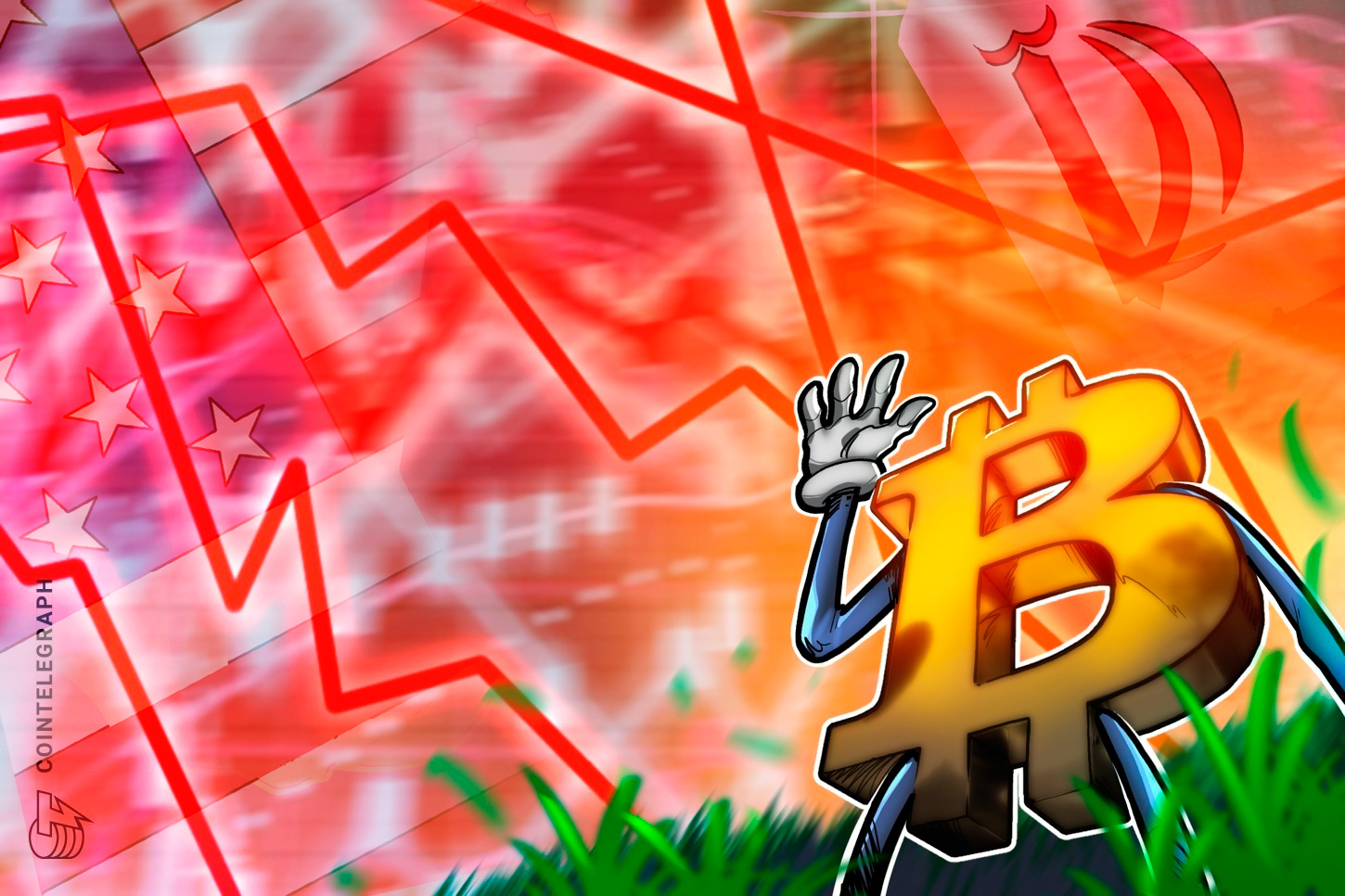
We are watching the classic risk-off pivot play out in real-time. For the last few weeks, the narrative in the crypto space has been almost exclusively about moon missions and regulatory clear skies. But the market has a way of reminding us that global macro factors don't care about our charts. As tensions escalate between the U.S. and Iran, the euphoria is cooling off, and Bitcoin is feeling the weight of reality.
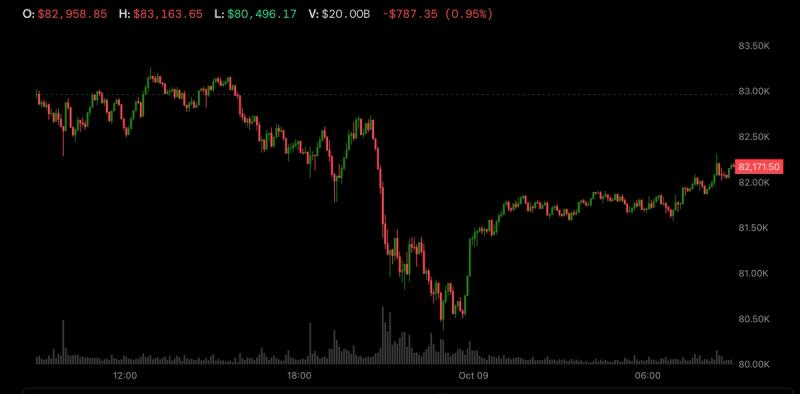
The price action we are seeing right now—dipping below the $81,000 mark—isn't just a random correction. It is a direct response to the energy markets. When oil starts climbing due to the threat of military confrontation, liquidity tends to seek shelter. For builders in this space, this is a necessary reminder that we aren't operating in a vacuum. The 'digital gold' thesis is being tested against the reality of actual black gold.
The Friction Between Energy and Equity
When oil prices spike, it creates an immediate inflationary pressure that the Federal Reserve and other central banks have to account for. If energy costs stay high because of supply chain threats or direct conflict in the Middle East, the dream of rapid interest rate cuts starts to fade. Bitcoin has flourished recently on the assumption that the dollar would weaken and rates would drop. A conflict-driven oil rally flips that script.
I have seen this cycle before. Traders who were over-leveraged during the run-up to all-time highs are now getting squeezed. The sell-off toward three-week lows isn't a sign that the technology has failed; it is a sign that the market was overextended. When you combine geopolitical fear with a crowded trade, the exit door gets very small, very fast.
What This Means for the Founder Perspective
If you are building a product or running a startup in the Web3 or AI space, these macro swings can be distracting. It is easy to check the price every ten minutes and wonder if your runway is shrinking or if your next funding round is in jeopardy. But as a founder, you have to look past the candles. The volatility caused by Iran-U.S. tensions is a temporary market condition, not a fundamental shift in the utility of decentralized networks.
However, you do need to be aware of the 'liquidity vacuum.' In times of uncertainty, capital becomes defensive. Investors who were ready to write checks for experimental AI-crypto agents or new Layer 2 protocols might suddenly want to sit on their hands until the regional conflict stabilizes. This is the time to tighten your belt and focus on core metrics rather than speculative growth.
- Watch the correlations: Bitcoin is currently moving more like a high-beta tech stock than a safe haven.
- Energy costs matter: Higher oil prices eventually lead to higher data center and mining costs.
- Narrative shifts: The focus is moving from 'innovation' to 'preservation' in the short term.
The Skeptical Take on Safe Havens
Every time there is a war or a threat of war, the 'Bitcoin is a hedge' crowd comes out in full force. I want to be honest with you: the data doesn't always support that in the immediate short term. When bombs start being discussed, people want cash, gold, and energy. Bitcoin is still viewed by the legacy financial world as a risk asset. Until that perception changes, expect BTC to drop when the world gets unstable.
This doesn't mean the long-term thesis is dead. It just means we need to stop pretending that Bitcoin is immune to the fears of the traditional world. If oil continues to climb, we could see further pressure on all crypto assets. The 'Iran strike' news is a catalyst for profit-taking, and frankly, the market was looking for an excuse to pull back anyway.
Survival and Strategy
For those of us in the trenches, the strategy shouldn't change, but the urgency for efficiency should. If your business model relies on Bitcoin being at $100,000 by Christmas, you are gambling, not building. Real builders use these periods of red charts to ship features without the noise of a thousand 'wen moon' comments in their Discord servers.
The takeaway here is simple: geopolitics remains the ultimate wildcard. You can audit your smart contracts and optimize your LLMs all day, but you can't control the price of crude or the decisions made in Washington and Tehran. Build for the long term, but keep enough cash on hand to survive the volatility of the short term.
The market can stay irrational longer than you can stay solvent, especially when global conflict enters the equation.
We are likely to see more chop as these reports develop. If the situation de-escalates, the rally might resume. If it worsens, we are going to find out where the real floor is for Bitcoin. Either way, the builders who stay focused on the tech rather than the ticker are the ones who will still be here when the dust settles.
Read the original at Cointelegraph →