The Great Power Migration
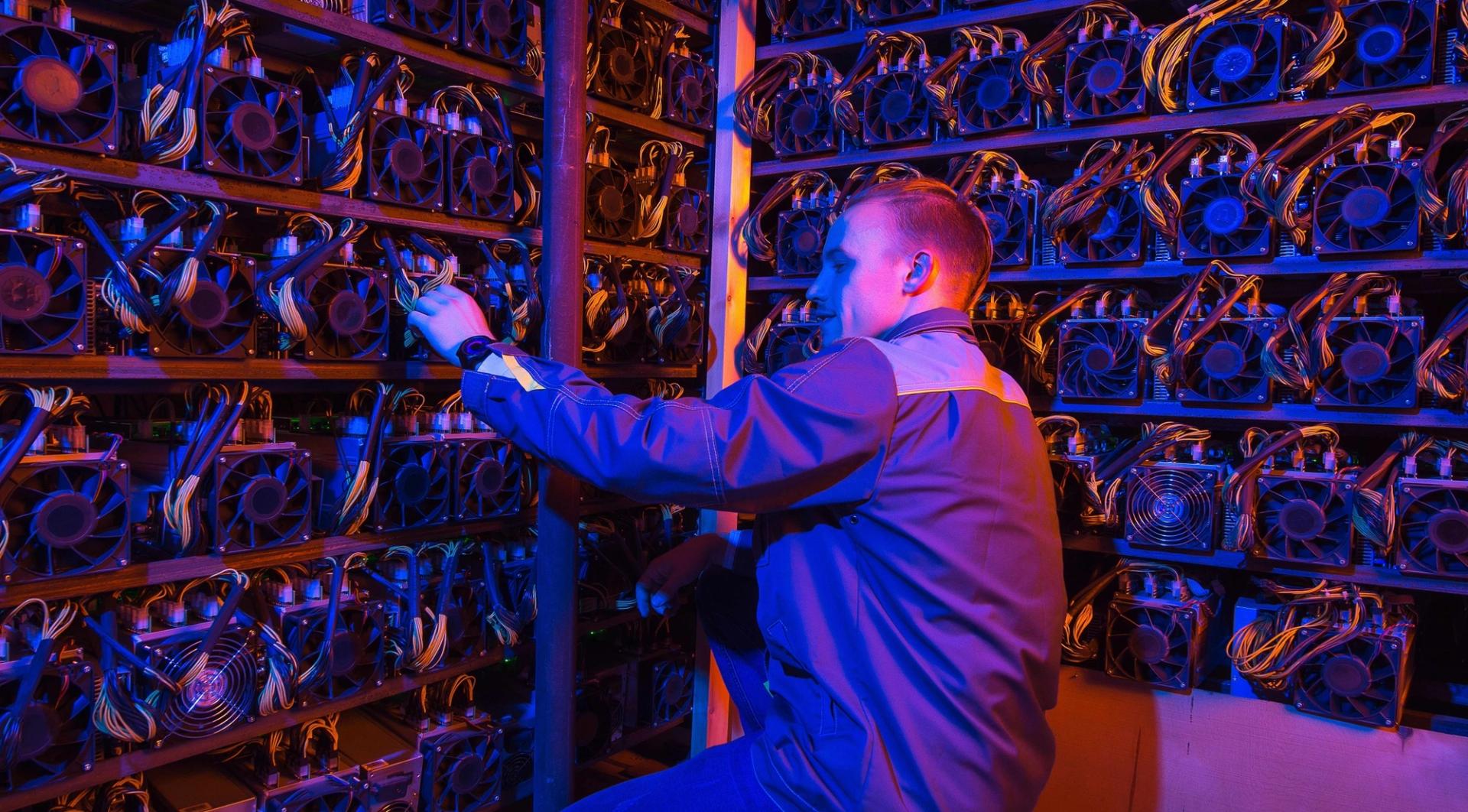
TeraWulf, a company we once knew as a pure-play bitcoin miner, just signaled the loudest shift in the industry yet. They signed a 20-year lease with Anthropic, the AI heavyweight, valued at roughly $19 billion. The deal centers on a massive campus in Kentucky and effectively turns a crypto infrastructure company into a landlord for large language models.
This is not just another headline. For those of us building in the space, it is a clear indication of where the real value is migrating. In the early days of crypto, the hardest thing to acquire was cheap, reliable electricity. Bitcoin miners became experts at hunting down stranded power. But now, the AI boom has created a demand for high-performance computing that makes the old hash-rate wars look like a hobby. TeraWulf is simply following the math.
The Math of Stability over Volatility
Mining bitcoin is a grind. You deal with the four-year halving cycle, fluctuating network difficulty, and a price floor that can fall out from under you at any moment. As a founder, that volatility makes long-term planning nearly impossible. You are essentially a commodity producer with no control over the price of your product.
AI infrastructure changes that equation. Anthropic is looking for a twenty-year home. That kind of duration is unheard of in crypto. By leasing out their Kentucky site, TeraWulf is trading the speculative upside of bitcoin for the boring, predictable revenue of a real estate play. For the public markets, "boring" is a compliment. It is why TeraWulf’s stock reacted with such enthusiasm. Investors are tired of the bitcoin roller coaster; they want exposure to the AI energy crunch.
Energy is the Only Real Asset
What builders need to realize is that the hardware is secondary. Whether you are running an S21 Pro or an H100 cluster, the bottleneck is always the grid. TeraWulf is demonstrating that their real product was never actually bitcoin. Their product was the power permits, the transformers, and the cooling systems at their Kentucky site.
We are seeing a massive revaluation of what a "miner" actually is. In this new context, a bitcoin miner is just a power-management firm that happens to be using crypto as a temporary way to monetize energy until a higher-paying tenant shows up. Anthropic is that tenant. They are willing to pay a premium for high-density power that is already online, rather than waiting five years for a municipal utility to build new substations.
The Pivot Problem
Is this all upside? Not exactly. Converting a site from bitcoin mining to AI hosting is not as simple as swapping out cables. AI chips require specialized cooling, lower latency, and much higher reliability. A bitcoin miner can tolerate five minutes of downtime if the grid gets strained; an AI model in training cannot. This transition requires serious capital expenditure to upgrade the facilities to meet Anthropic's tier-three or tier-four data center standards.
However, the sheer scale of this $19 billion deal suggests that Anthropic is footing a significant portion of the bill, or at least provides enough collateral for TeraWulf to raise the necessary cash. To me, this looks like a defensive move that turned into an offensive masterclass. They saw the writing on the wall after the last halving and realized that being a landlord for AI is a much better business model than being a hunter for blocks.
What it Means for Builders
If you are building in the crypto-AI overlap, this is your signal. The "compute" layer is being consolidated by a few massive players. If you are a smaller miner or an infrastructure startup, you need to ask yourself if you are truly a crypto company or if you are an energy company in disguise. If it's the latter, you should be looking for your own Anthropic.
We are entering an era of "Power Arbitrage." The goal is no longer to secure the network; the goal is to secure the electrons. Companies like TeraWulf are proving that the physical world—land, permits, and power lines—is the only thing that actually matters when the digital world gets hungry. This deal is the final nail in the coffin for the idea that bitcoin mining exists in a vacuum. It is now part of the global energy stack, and right now, AI is willing to pay the highest rent.
The Reality Check
There is a certain irony here. Bitcoin was supposed to be the decentralized alternative to the centralized financial system. Now, the infrastructure built to support that decentralization is being leased to the most centralized AI companies on the planet. For the purists, this might feel like a betrayal. For the pragmatists and the founders making payroll, it is a massive win.
TeraWulf’s move doesn't mean bitcoin is dead, but it does mean the era of the "pure" miner might be over for anyone operating at scale. If you have the power, you don't care what you're mining. Today it's hashes, tomorrow it's weights. The only thing that stays the same is the cost per kilowatt-hour. This move is a reminder to keep your eye on the input, not just the output. Energy is the ultimate currency of the next decade, and TeraWulf just cashed in a very large chip.
Read the original at CoinDesk →