The Great Pivot to AI Compute
Hut 8 just locked in a fifteen-year lease agreement valued at roughly $9.8 billion. If you are watching the mining space, you know this is not just another headline about hash rates. This is about a fundamental shift in business models. The market reacted immediately, sending shares up, because investors are starting to realize that the infrastructure originally built for mining bitcoin is the most valuable real estate in the AI gold rush.
For years, bitcoin miners were viewed as one-trick ponies. They bought chips, plugged them into the wall, and hoped the price of BTC stayed ahead of the power bill. But the hardware landscape changed. Now, with the demand for artificial intelligence compute reaching a fever pitch, the power capacity and cooling infrastructure owned by these miners has become the ultimate leverage.
Infrastructure is the Real Asset
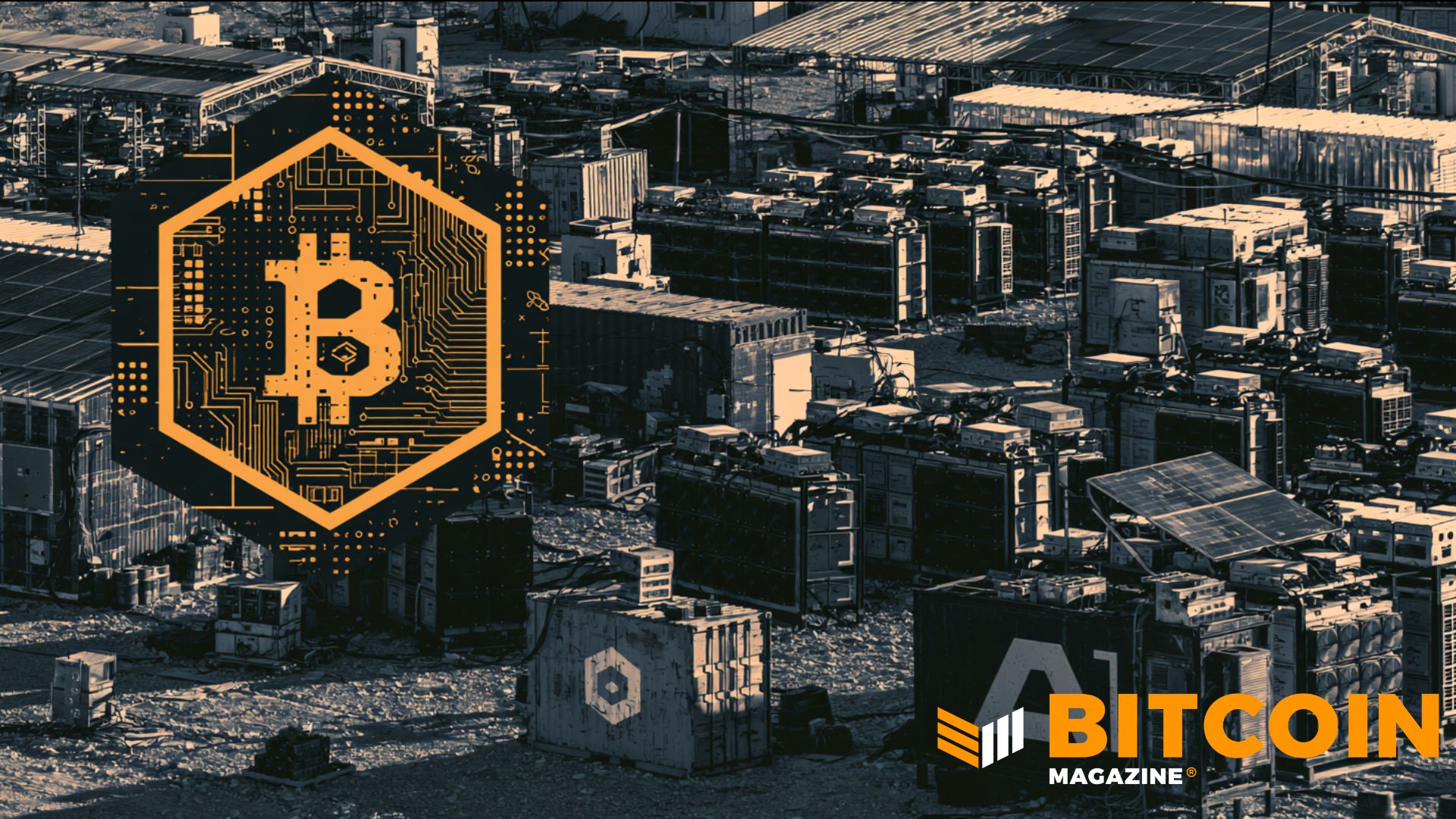
When you look at a $9.8 billion deal over fifteen years, you aren't looking at a gamble on a cryptocurrency. You are looking at a utility play. Hut 8 is essentially becoming a landlord for the AI revolution. By repurposing their energy-heavy sites to host high-performance computing clusters, they are diversifying away from the volatility of mining rewards.
This is a smart play for a founder’s perspective. In any tech cycle, the people who own the physical bottlenecks make the most consistent margins. For builders in the crypto space, this move by Hut 8 should be a signal. The competition for electricity is no longer just between miners; it is between miners and trillion-dollar tech giants who need those same electrons to train their large language models.
Why This Matters for Builders
If you are building decentralized infrastructure or working in the mining ecosystem, you need to pay attention to the "opportunity cost" of energy. Hut 8 has figured out that their power contracts might be worth more than the bitcoin they could mine with them. This creates a high floor for the cost of hash rate. If more miners follow this path, we could see a massive contraction in the global hash rate as capacity is diverted to AI.
From a founder’s lens, this is about resilience. Hut 8 is locking in revenue for over a decade. In the crypto world, where we usually measure time in three-month hype cycles, a fifteen-year contract is an eternity. It provides the kind of balance sheet stability that allows a company to survive the deepest bear markets. It turns a speculative mining operation into a foundational infrastructure provider.
The Skeptive’s Angle
Before we get too excited, let's be honest about the challenges. Converting a bitcoin mining facility into an AI data center is not as simple as swapping out one machine for another. AI workloads require different cooling architectures, significantly more uptime reliability, and lower latency networking. Hut 8 isn't just signing a lease; they are committing to a massive engineering overhaul of their operations.
There is also the risk of concentration. Locking into a fifteen-year deal sounds great until you realize you are tethered to a specific technology path. If the AI bubble pops, or if specialized chips become so efficient they don't need large-scale data centers, these massive leases could become liabilities. However, given the current trajectory of LLMs and generative agents, that risk seems manageable compared to the volatility of mining rewards post-halving.
The Convergence is Real
We are seeing the walls between "crypto" and "AI" disappear at the physical layer. Both industries are power-hungry. Both require specialized hardware. Both are pushing the limits of our aging electrical grid. Hut 8’s move is a validation that the infrastructure built by the bitcoin community over the last decade is not just a niche experiment, but the backbone of the next era of computing.
For the average builder, this means the cost of compute is going up. Whether you are training a model or securing a network, you are now competing with a global demand for intelligence. The companies that own the sites, the transformers, and the cooling systems are the ones sitting in the driver's seat. Hut 8 just grabbed the wheel with both hands.
Takeaway for the Ecosystem
The lesson here is simple: diversification isn't just about what's in your wallet; it's about what your infrastructure can do. If you are building in this space, stop thinking about bitcoin and AI as separate silos. They are two different ways to monetize electricity. Hut 8 chose the one with the higher certainty and the multi-billion dollar price tag. Expect every major player in the mining space to spend the next six months trying to replicate this deal.
The infrastructure for the future of money and the infrastructure for the future of intelligence are becoming the same thing. Hut 8 just proved that the market is willing to pay billions to be first in line for that capacity.
As we move forward, keep an eye on the power density of these facilities. The companies that can pivot their physical assets the fastest will lead the next cycle. Hut 8 just set the benchmark high, and the rest of the industry is now playing catch-up.
Read the original at Bitcoin Magazine →