The Ghost in the Machine
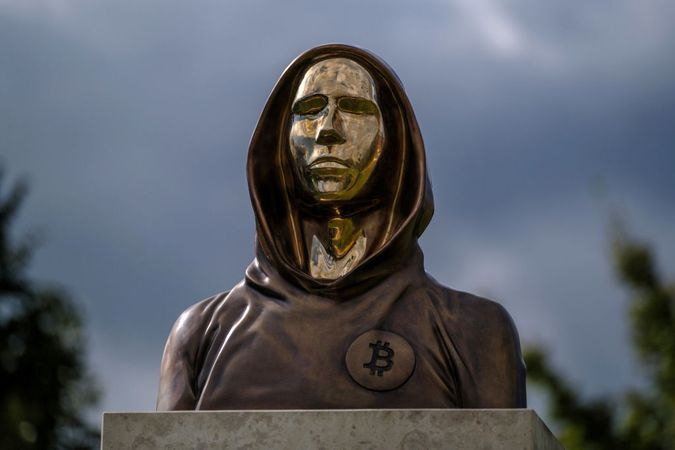
Something happened this week that usually sends the crypto markets into a speculative frenzy. A wallet that hasn't seen the light of day since the year 2010 suddenly woke up. We are talking about 100 BTC, worth roughly pennies when they were first minted, now carrying a market value of $8.5 million. These weren't coins bought on an exchange; they were block rewards from the Satoshi era, mined when the network was just a handful of enthusiasts and cypherpunks.
For those of us building in this space today, this isn't just a story about a lucky early adopter. It is a masterclass in patience and a visceral reminder of what happens when you ignore the short-term noise. While today's founders are obsessing over tokenomics and exit liquidity, someone out there just proved that the strongest move in crypto is often doing absolutely nothing for sixteen years.
The Value of the Long Game
In 2010, mining Bitcoin wasn't a business model. It was an experiment. You didn't buy a rack of ASICs; you ran a program on your desktop computer while you slept. The person who earned these 100 BTC likely didn't even think they were holding currency. They were participating in a decentralized protocol. That is a distinction that most modern builders miss.
When we look at the movement of these coins, the industry tends to panic. People ask, "Is a whale about to dump?" or "Is this Satoshi?" But those are the wrong questions. The real question is how many of us are building things today that will be worth holding for over a decade? Most projects in the current cycle are designed for a two-year lifespan. They are built for the bull run, not for the future.
Why Builders Should Care
If you are a founder, this event should change how you think about your roadmap. We live in an industry where "long-term" usually means six months. But the real wealth—both financial and technological—is built on a much longer horizon. The person who mined these coins survived the Mt. Gox collapse, the 2017 bubble, the 2021 mania, and the 2022 crashes. They didn't panic-sell because they weren't playing the same game as the rest of the market.
As builders, we get distracted by the daily price action. We worry about our Treasury value or our floor price. But this 16-year-old wallet is a reminder that the underlying technology is what actually creates the value. The Bitcoin protocol didn't care that its price was $0.08 or $60,000. It just kept producing blocks. If you build something with that kind of reliability, the market eventually catches up to you.
The Skeptic's View on Liquidity
I’m naturally skeptical when these old wallets move. Usually, it means one of three things: someone found an old hard drive, a security breach forced a migration, or someone finally decided the price had peaked. But regardless of the "why," the "how" is what matters. The security of the network held. The cryptography worked. A sixteen-year-old digital asset moved as easily today as it did when it was created.
For AI founders, there is a lesson here too. We are currently in the "mining for pennies" phase of decentralized AI. People are building infrastructure and training models that might seem primitive now. But in a decade, the compute credits or the data sets we are creating today could be the equivalent of these 2010 Bitcoin blocks. The key is to build for durability, not for the hype cycle.
Founder Perspective: Resilience Over Hype
Building in crypto is exhausting. The constant pressure to perform, to market, and to shill is enough to burn out any founder. But look at this wallet. It didn't have a marketing team. It didn't have a community manager. It didn't have a Discord server. It had a robust protocol and a ledger that doesn't forget.
We need to stop asking how we can make our tokens go up tomorrow and start asking how we can build systems that will still be functioning—and valuable—in 2040. If your project can't survive a decade of silence, it’s probably not as decentralized as you think it is.
Practical Takeaways for the Modern Founder
- Focus on Protocol, Not Price: The price is a lagging indicator of utility. Build a system that works, even if nobody is watching.
- Security is the Only Feature: If those 100 BTC hadn't been secure, they wouldn't have lasted 16 years. Your security stack is more important than your UI.
- Think in Decades: If you are planning to exit in two years, you are a trader, not a builder. Founders who win are the ones who can wait.
The Final Count
Moving $8.5 million after sixteen years is a legendary move. It shows that despite all the scams, the rug pulls, and the volatility, the original promise of Bitcoin—a permissionless, durable store of value—is still alive. As builders, our job isn't to chase the next $8 million. Our job is to build the tools that make that kind of long-term storage possible for everyone. Stop looking at the charts and start looking at your code. That’s where the real value is hidden.
Read the original at CoinDesk →