The Resilience Test
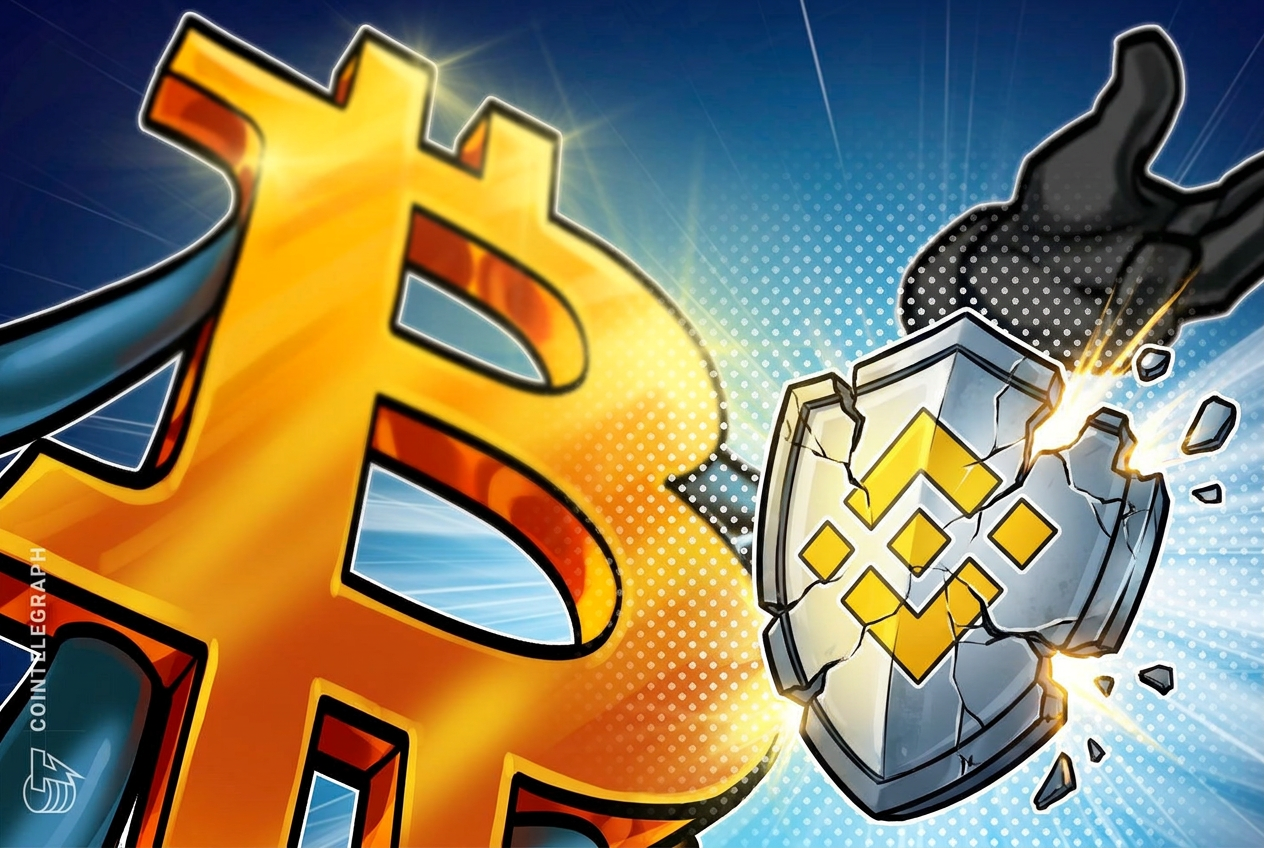
In the wake of the recent security breach at Binance, the market was bracing for a total meltdown. We’ve seen this movie before. Usually, when the world’s largest exchange takes a hit, the panic selling is swift, deep, and ugly. But this time, something felt different. The price floor didn't just crumble away. Instead, Bitcoin held its ground in a way that suggests the asset class is maturing past its fragile infancy.
Matt Cole, the CEO of Strive, recently pointed out that this resilience is a significant signal for long-term holders. While the industry is quick to jump on any negative headline as a sign of the end times, the actual market reaction was muted. It wasn't a rally, obviously, but it wasn't a death spiral either. For those of us building in this space, this stability is more important than a temporary price pump. It shows that the 'weak hands' have already been shaken out, and the remaining participants are looking at the fundamentals rather than the noise.
Building Through the Breach
When you are heads-down building a product, news like a major exchange hack feels like a personal attack on your roadmap. It threatens user trust and scares off the very capital you need to scale. However, the takeaway here isn't that security doesn't matter—it’s that the market has finally started to decouple the underlying technology of Bitcoin from the centralized entities that trade it.
We are moving into an era where Bitcoin is being viewed as a sovereign asset rather than just a speculative ticker symbol on a private platform. If a massive exchange can get hit and the price stays relatively stable, it tells us that the decentralized nature of the network is doing its job. The network didn't break; a private company did. Distinguishing between the two is the most important mental shift a founder can make right now.
Don't Call the Bottom Yet
While Cole remains bullish on the long-term prospects of Bitcoin, he’s offering a necessary reality check: don't start celebrating a market bottom just yet. Resilience is a great sign of health, but it isn't a guaranteed reversal. The macro environment is still messy. Interest rates are high, liquidity is tight, and regulatory pressure is mounting globally. One exchange hack being shrugged off doesn't mean we are clear of the woods.
For builders, this means staying lean. If you assume the bottom is in and start spending like it's 2021, you’re setting yourself up for failure. The smart move is to treat this period of stability as a gift of time. It’s a chance to harden your own security protocols and refine your value proposition while the speculative mania is at a low ebb.
The market's ability to absorb bad news without a total collapse is a milestone, but it is not a green light for reckless expansion.
The Founder’s Perspective
From where I sit, the biggest risk to Bitcoin isn't a hack on a centralized exchange; it's the complacency of the builders. When the price stays steady, people get comfortable. They stop innovating because the 'crisis' feels like it's over. But the Binance incident should serve as a wake-up call. We are still overly reliant on a handful of massive gatekeepers. True resilience will come when a hack on a major exchange is seen as a minor footnote rather than a headline event.
If you're developing tools for the Bitcoin ecosystem, your goal should be to make these centralized points of failure less relevant. We need better self-custody solutions, more robust decentralized trading protocols, and a focus on user education that emphasizes the difference between 'having Bitcoin' and 'having an account on an exchange.'
Institutional Maturity
Matt Cole’s observations align with what we are seeing from the institutional side. Large-scale investors aren't fleeing the room the moment a window breaks anymore. They are looking at the structure of the asset. They see that Bitcoin's uptime is 100%, even while the intermediaries struggle. This institutional 'thick skin' is what creates the floor we are seeing now.
However, maturity also brings scrutiny. As Bitcoin becomes a more permanent fixture in the global financial landscape, the margin for error for founders gets smaller. You can't just 'move fast and break things' when you're dealing with people's life savings in a high-stakes environment. The Binance hack is a reminder that even the biggest players can be humbled. As a founder, your job is to ensure that your project isn't the next cautionary tale.
What This Means for the Next Six Months
Expect more volatility, even if the floor holds. The 'boring' price action we see now is often a prelude to a significant move, but that move can be in either direction. Cole is right to be cautious. The market needs time to digest the regulatory fallout that invariably follows these types of security incidents. We are likely to see a wave of new compliance requirements that will make building more expensive and time-consuming.
- Focus on core utility over speculative features.
- Prioritize security audits even if they slow down your launch.
- Keep enough runway to survive another 12 to 18 months of sideways movement.
- Don't mistake market resilience for a bull run.
The Takeaway
The core message is simple: Bitcoin is tougher than the institutions that trade it. The fact that a major hack didn't send prices to zero is a win for the technology. But for those of us in the trenches, the work doesn't change. We have to keep building systems that don't rely on the 'good behavior' or 'perfect security' of a few giant exchanges. The market bottom is a distraction; the structural integrity of what you're building is the only thing you can actually control. Stay skeptical of the hype, stay focused on the code, and don't let a little stability make you soft.
Read the original at Cointelegraph →