We have reached that specific point in the cycle where the spreadsheets and the reality on the ground are starting to fight each other. If you have been watching the ticker lately, you saw Bitcoin give up its position above the $80,000 level. It was not a slow bleed; it was a reaction to a pair of inflation reports that hit the market like a cold bucket of water. For those of us building in this space, these numbers are more than just data points on a chart. They are the guardrails for our runway and the deciding factors for our next round of hiring.
The Consumer Price Index for September clocked in at 3.7%, a jump from the previous 3.4%. Shortly after, producer prices spiked by 1.3%. To put that in perspective, that is the biggest monthly jump we have seen since the spring of 2022. It is also double what most of the experts were betting on. When the people paid to predict the future miss by that much, the market tends to panic first and ask questions later.
The Inflation Trap
For a long time, the narrative was that Bitcoin would serve as the ultimate hedge against this exact scenario. The idea was simple: when the dollar loses purchasing power, hard assets should thrive. But as any founder who has managed a balance sheet through the last three years knows, the market is currently treating Bitcoin more like a high-beta tech stock than a digital version of gold. When inflation stays hot, the Federal Reserve keeps the pressure on interest rates. High rates mean expensive capital. Expensive capital means investors pull back from anything that looks like a risk.
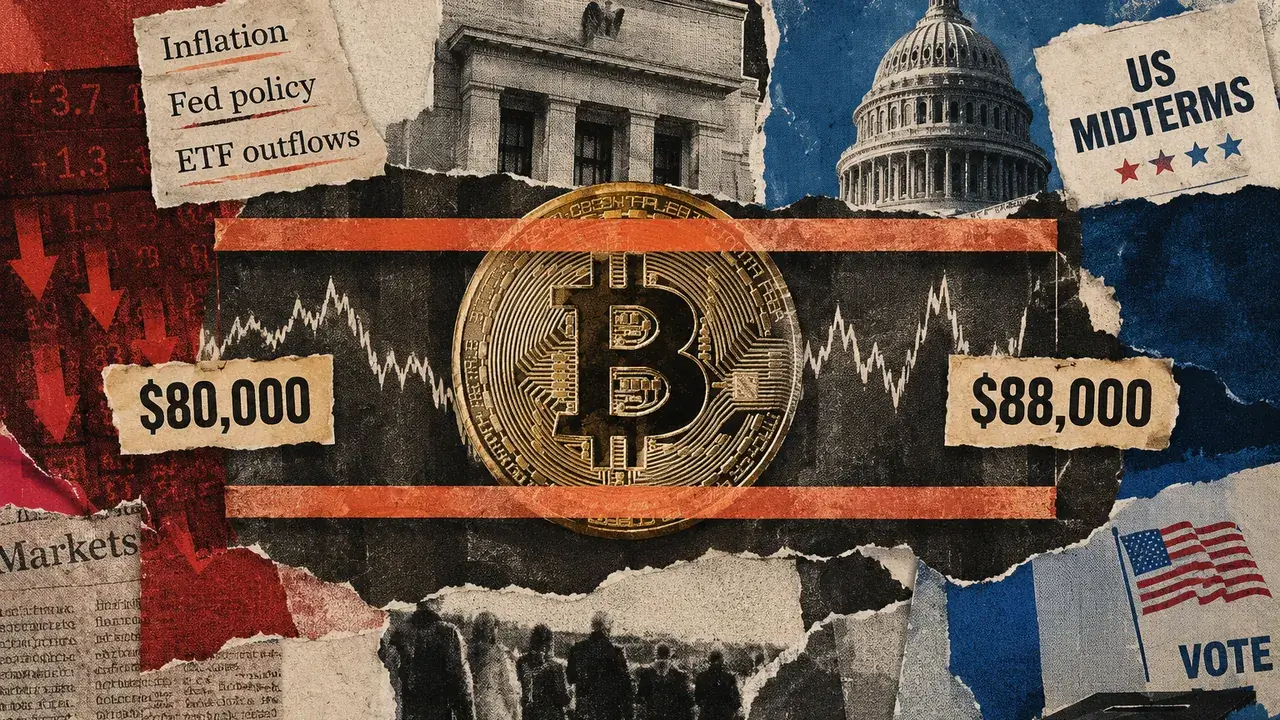
This creates what I call the trading trap. We are seeing a roughly $8,000 window where Bitcoin is bouncing between excitement and macroeconomic dread. For builders, this volatility is a distraction. If your project’s viability depends on Bitcoin staying above a certain price point to maintain liquidity or user interest, you are effectively gambling on the Fed’s ability to manage a soft landing that looks increasingly unlikely.
Midterms and Market Psychology
We cannot talk about these price movements without acknowledging the elephant in the room: the upcoming U.S. midterm elections. Markets hate uncertainty, and politics is nothing but uncertainty. There is a tendency for prices to compress or stagnate as big institutional players wait to see which way the regulatory wind is going to blow. If the current administration feels the heat from rising grocery and gas prices—which is exactly what that 3.7% CPI number represents—their policy moves will become increasingly reactionary.
From a founder’s perspective, this is a signal to shore up your defenses. We are entering a period where the "macro" is going to drown out the "micro." You could ship the most innovative feature in the world tomorrow, but if the Bureau of Labor Statistics drops another hot report, your token or your valuation is going to take a hit regardless of your technical merit. It is frustrating, but it is the reality of the environment we chose to build in.
Why the PPI Numbers Matter More Than You Think
While everyone focuses on the CPI because it affects the average person’s wallet, builders need to pay closer attention to the Producer Price Index. That 1.3% jump is a warning shot for the supply chain of the digital economy. It costs more to run data centers, it costs more to secure hardware, and it eventually costs more to keep your developers fed and housed. When the cost of production rises, it eventually trickles down to the consumer, which keeps inflation sticky. Sticky inflation means high rates stay for longer. That is the cycle that kills startups that are not capital-efficient.
The market can stay irrational longer than you can stay solvent, but the macro environment can stay hostile longer than you might have projected in your seed deck.
Building Through the Noise
So, what do we do? If you are a founder, your job is to ignore the $8,000 swing and focus on utility that exists outside of price action. The trap isn't just in the trading price; it’s in the mental energy we spend watching it. We are seeing a shift where the "easy money" era is officially a distant memory. The projects that survive this trap will be the ones that have solved for real-world costs and found ways to provide value even when the global economy is stuttering.
We have to stop looking at Bitcoin as a magic bean that only goes up and start looking at it as a barometer for global liquidity. Right now, liquidity is being sucked out of the room. The Fed is trying to put out the inflation fire, and they don't particularly care if your floor price is part of the collateral damage.
The Founder’s Takeaway
The takeaway here is not to panic, but to be honest about the timeline. The jump in producer prices suggests that the inflation fight is far from over. If you were banking on a massive Q4 rally to save your treasury, you need a Plan B. The midterms will only add to the theater, but the underlying math of CPI and PPI is what will actually dictate the cost of money in 2025.
Keep your head down. Manage your burn as if Bitcoin is going to stay in this trap for the next six months. If it breaks out, great—you have extra runway. If it doesn't, you are one of the few who actually planned for the reality of a high-inflation world. The trap is only fatal if you aren't looking at the ground.
Read the original at CryptoSlate →