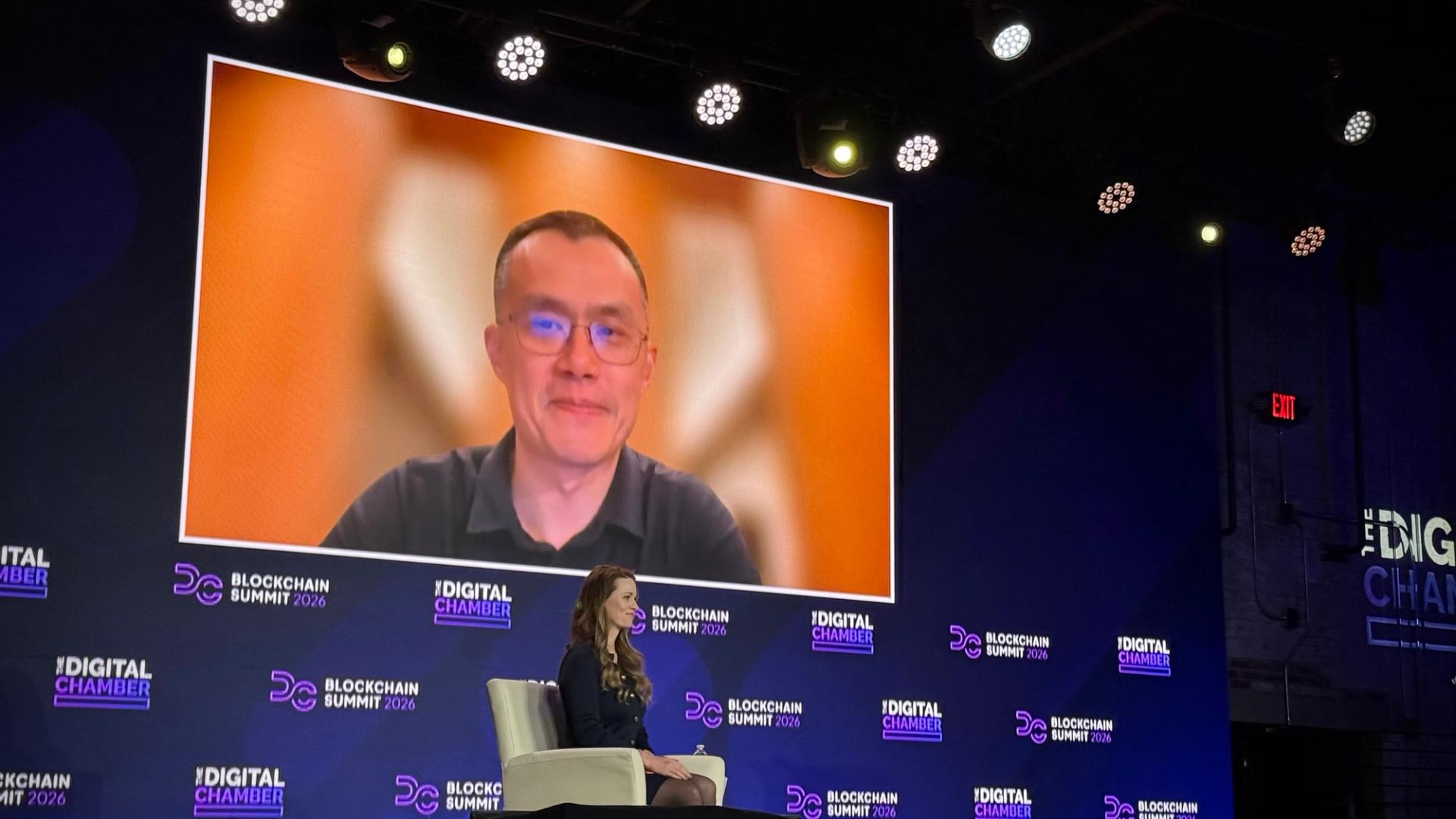
We have entered the phase of Bitcoin's life where we are debating whether to kill the king to save the kingdom. The recent public discourse, sparked by comments from figures like Changpeng Zhao, centers on a terrifyingly simple question: What happens to Satoshi Nakamoto’s 1.1 million Bitcoin when quantum computers finally arrive? The proposed solution of freezing those coins represents a fundamental betrayal of everything Bitcoin was built on, yet it might be the only way to prevent a total collapse of the fiat-equivalent value we have spent fifteen years building.
The Ghost in the Ledger
Satoshi Nakamoto disappeared long ago, leaving behind a stack of roughly 1.1 million BTC. For years, these coins have been the ultimate proof of scarcity. They are the “lost gold” of the digital age. But as quantum computing moves from laboratory theory to engineering reality, that dormant treasure has transformed into a massive security vulnerability. The problem is technical but easy to grasp: these coins are stored in old-style addresses that don't have the same cryptographic protections as modern ones. If a quantum computer can crack those historic keys, someone—or some government—suddenly becomes the richest entity on earth. And they would likely crash the market in the process.
The proposal currently being debated by experts and founders is to proactively “freeze” these specific addresses before that happens. It sounds like a common-sense safety measure until you actually think about the implications for the code. Bitcoin is supposed to be immutable. If we can vote to lock one person—even a mythical founder—out of their wallet, the entire narrative of “censorship resistance” evaporates instantly.
The Builder’s Dilemma: Security vs. Sovereignty
For those of us building in this space, this isn’t just a theoretical debate about Bitcoin’s soul. It is a technical roadmap problem. If the Bitcoin community decides to implement a soft fork or hard fork to blacklist Satoshi’s coins, we are setting a precedent that will haunt every other protocol. If we can freeze $60 billion because of a future threat, why can’t we freeze a hacker's loot? Why can’t we freeze the assets of a sanctioned nation? Once the seal is broken on manual ledger intervention, the “Code is Law” mantra becomes “Code is Law until the humans get nervous.”
From a founder’s perspective, the risk of a quantum-driven theft is real, but the risk of centralized governance is permanent. If Satoshi’s coins are moved or stolen by a quantum actor, Bitcoin suffers a massive price hit, but the protocol technically remains functional. If the community votes to seize or freeze those coins, the protocol is no longer Bitcoin; it’s just another social-consensus database similar to a central bank.
The Practical Reality of Quantum Threats
We need to be honest about the timeline. Quantum computers that can break ECDSA (elliptical curve cryptography) aren’t here yet. They might be five years away, or they might be twenty. But building in the crypto space requires us to be proactive. The split among experts shows a divide between the pragmatists and the purists.
- The Pragmatists: They argue that the sheer size of Satoshi’s stash makes it a systemic risk. If $70 billion worth of BTC hits the market at once, the liquidity crisis would destroy the industry. Freezing it is a necessary “emergency brake.”
- The Purists: They argue that any intervention is a failure. If the coins are stolen, the market will react, new tech will be built, and we move on. They believe a frozen Bitcoin is a broken Bitcoin.
As a builder, I lean toward the purists, even if it hurts the bottom line. The moment we start picking and choosing whose private keys are valid, we lose the only advantage we have over the traditional financial system. If we want a system where a central authority can freeze “suspicious” or “vulnerable” funds, we already have that. It’s called a bank.
What This Means for the Future
This debate is a wake-up call for anyone working on long-term infrastructure. We cannot rely on the permanence of current cryptographic standards. We have to be building with quantum-resistant algorithms today. If Bitcoin fails to adapt its core code to allow for a graceful migration to new keys, we are going to see more of these “desperation proposals” to freeze assets.
For those holding BTC, the takeaway is clear: the “store of value” thesis is currently resting on a cryptographic foundation that has an expiration date. We need to support developers who are working on quantum-resistant BTC upgrades rather than looking for shortcuts like blacklisting specific addresses. The latter is a band-aid that kills the patient.
The most dangerous thing we can do in the face of a technological threat is to sacrifice the very principles that made the technology valuable in the first place.
We shouldn’t be surprised that exchange founders want to freeze the coins. Their business models rely on stability and market cap. But for those of us building the next generation of decentralized tools, we have to demand a more elegant solution. If Satoshi’s coins are to remain safe, it must be through better math, not through a committee vote.
The Long View
Ultimately, the Satoshi stash is a ticking time bomb, but it’s one we all agreed to when we joined this network. Bitcoin is a game of rules, not rulers. If we change the rules specifically to target one player, we have admitted that the system doesn’t work as intended. I would rather see Bitcoin go to zero because of a quantum exploit than see it survive because the community turned into a self-appointed governing board.
We have time to solve the quantum problem with engineering. Let’s focus on that instead of trying to play God with the ledger. The beauty of Satoshi’s disappearance was that it left Bitcoin without a leader. Let’s not force one back into existence just because we’re afraid of a future we haven’t even reached yet.
Read the original at CoinDesk →