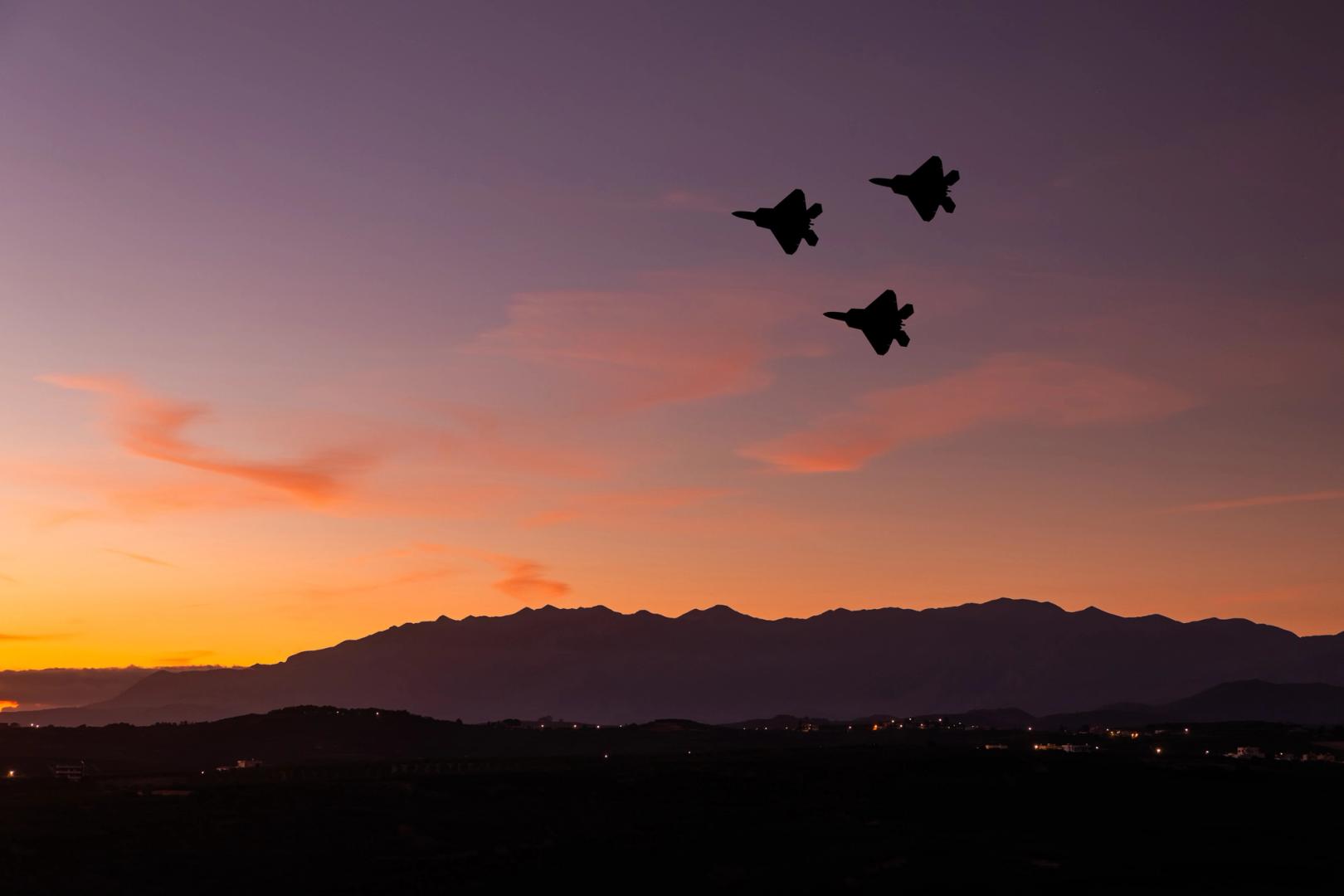
I’ve been watching the charts all morning while the news reports coming out of the Middle East get increasingly grimmer. The U.S. just carried out its third round of strikes against Iranian targets this week. In response, rumors are flying that Tehran has spiked the Strait of Hormuz again. Usually, when the world starts rattling sabers near the global oil tap, markets freak out. But Bitcoin and Ether? They aren’t doing much of anything.
The New Normal of Geopolitical Noise
There was a time, not that long ago, when every drone strike or diplomatic breakdown would send crypto into a tailspin or a massive pump. We used to call Bitcoin a safe haven, then we called it a risk-on asset that follows the Nasdaq. Right now, it feels like neither. It feels indifferent.
As the U.S. continues this pattern of strikes, the market seems to have priced in the instability. For builders, this is a distinct shift in environment. We are moving away from the era of "headline volatility" where a single tweet or a breaking news alert would liquidate half the leverage in the system. The lack of movement suggests that the capital currently sitting in BTC and ETH is stickier and perhaps more cynical than it used to be.
Why the Strait of Hormuz Matters
If you aren't a student of logistics, the Strait of Hormuz might just sound like another far-off place. It isn't. It’s the world’s most important oil chokepoint. About a fifth of the world’s total oil consumption passes through that narrow stretch of water. When Iran threatens to close it, they are effectively threatening to spike global inflation by making energy prohibitively expensive.
In a traditional economic model, high energy costs lead to a stronger dollar or a fly-to-quality in gold. But Bitcoin is sitting there, hovering around its previous levels, while Ether follows suit. This tells me that the market no longer views localized kinetic warfare as a reason to dump crypto. If anything, the threat of theater-wide war in the Middle East highlights why decentralized assets exist, even if the price doesn't reflect a "war premium" just yet.
The Institutional Buffer
One reason we might see this price stagnation despite the bombs falling is the changing of the guard in the holder base. We now have massive ETFs and institutional desks managing the bulk of the liquidity. These entities aren't panic-selling because of a headline about a strike in Iran. They operate on longer horizons and often use crypto as a hedge against the very debasement that war spending usually causes.
For a founder, this is actually good news. It means the "casino" element of the market is dampening. When the macro environment gets ugly, we need a baseline of stability to actually build products that people use. If your runway depends on BTC not dropping 20% every time a politician makes a threat, the current market resilience is your best friend.
What This Means for Builders
- Infrastructure over Hype: The market is maturing. It’s less reactive to fear, which means builders should focus on long-term utility rather than trying to capture short-term "news-cycle" liquidity.
- Energy Sensitivity: If the Strait actually stays closed, energy costs for mining and node operations will eventually climb. It’s time to look at the efficiency of your stack.
- Decentralization as a Feature: Geopolitical instability reminds users why they want permissionless systems. If you are building tools that help people bypass traditional banking rails during times of conflict, your value proposition just got a lot clearer.
A Warning on Complacency
I’m skeptical of anyone saying we’ve "decoupled" from the real world. We haven't. If the strikes escalate into a full-blown regional war, all bets are off. But the current lack of movement shows a level of exhaustion. The market has been hearing about "imminent conflict" for years. Until the missiles hit a data center or a major exchange, the traders seem content to sit on their hands.
We are seeing the hardening of the asset class. Bitcoin is being treated less like a tech stock and more like a piece of digital infrastructure that just exists, regardless of who is fighting whom. It’s a cold, hard transition, but it’s one that founders need to understand.
The market’s silence during these strikes isn’t a sign of weakness; it’s a sign that the chaos has become a baseline expectation.
The Founder’s Perspective
If you’re running a startup in this space, stop checking the price every time a news alert pops up about the Middle East. The correlation is breaking. Instead, look at how you can build resilience into your own project. If energy prices soar due to the Hormuz closure, how does that affect your cloud costs? If global trade slows down, how does that affect your user growth in emerging markets?
The U.S. strikes are a tragedy and a massive geopolitical risk, but for the crypto market, they represent another day of testing the resolve of the new, institutionalized holder base. So far, that base isn't flinching. We have to keep building with that same level of stoicism. Don't let the noise distract you from the code. The world is getting messier, and our job is to build the systems that can survive that mess.
Read the original at CoinDesk →