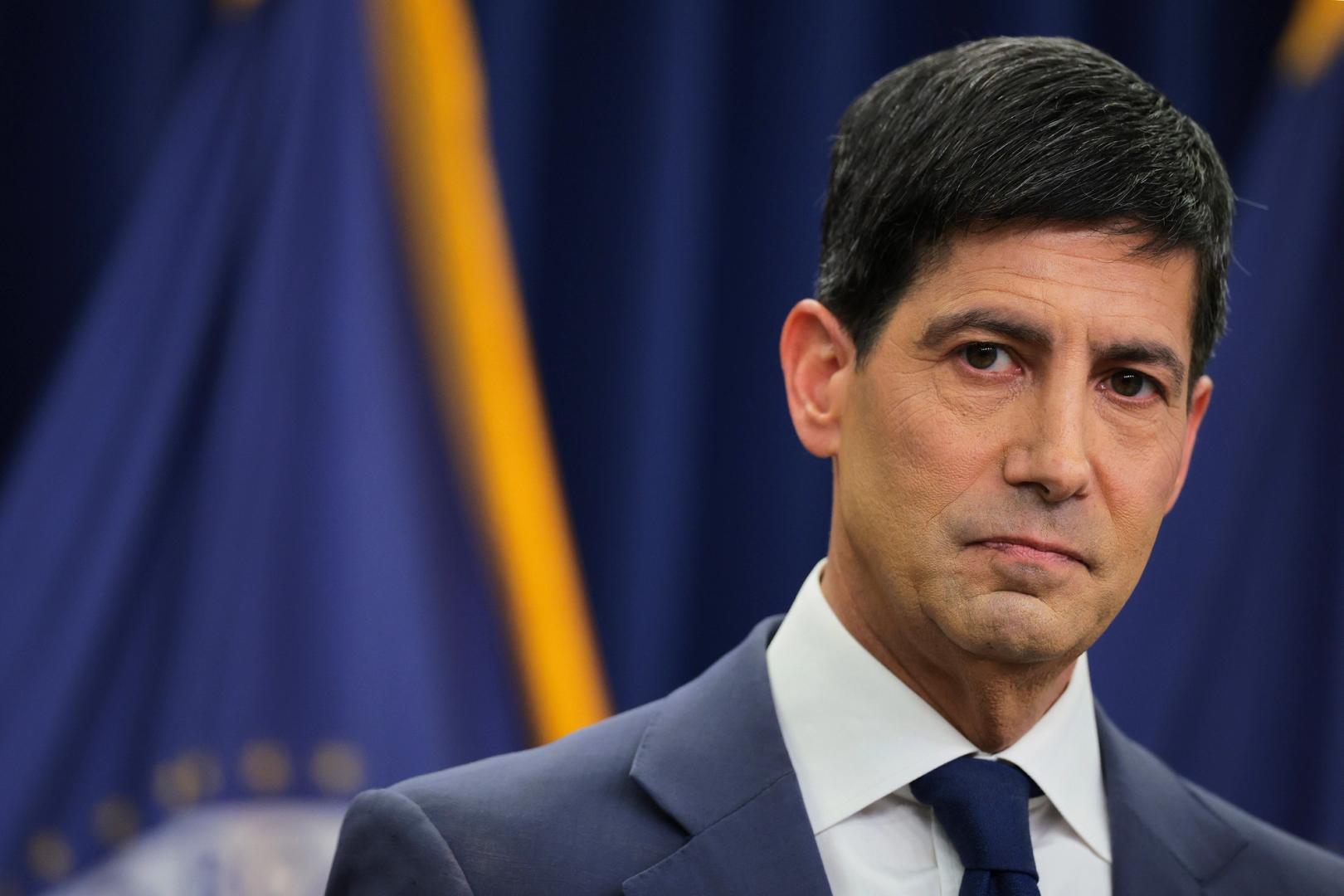
We are seeing Bitcoin hit that familiar 60,000 dollar mark again. It is a psychological level as much as it is a financial one, but the reason behind this latest push is more interesting than the price action itself. Federal Reserve Chair Kevin Warsh just handed the markets a narrative shift, and it is one that founders in the crypto and AI space need to pay attention to. For the first time in a while, the central bank sounds like it is actually looking at the same world we are.
The Fed Softens Up
The primary driver for the jump back into the sixties was Warsh's admission that the risks of runaway inflation are finally starting to dissipate. For the better part of two years, builders have been operating in a high-interest-rate environment that sucked the air out of the room. When money is expensive, risk-on assets like Bitcoin and early-stage tech startups struggle to find traction. Warsh is still sticking to that 2% inflation target, but his tone has changed. He is signaling that the aggressive tightening phase might be giving way to a more nuanced approach.
For those of us building in this space, this is a bit of a relief, but we should not get too comfortable. The Fed has a history of sounding optimistic right before a pivot that takes longer than expected. However, the market is choosing to see this as a green light. Bitcoin reacting this way suggests that liquidity is waiting on the sidelines, looking for any excuse to move back into decentralized assets as the dollar's dominance faces these subtle internal shifts.
The AI Factor in Monetary Policy
What caught my eye in these latest remarks was not just the talk about inflation, but the specific mention of artificial intelligence. It is rare to hear a Fed Chair talk about AI as a fundamental shift in how they might conduct monetary policy. Warsh is explicitly acknowledging that AI could reshape the entire economy, potentially increasing productivity in a way that changes how we measure growth and labor.
If you are a founder, this is your signal that the overlap between AI and finance is no longer just a trend for the Twitter timeline. It is now part of the formal economic calculus of the United States. The Fed is essentially admitting that they do not entirely know how AI will impact the velocity of money or the efficiency of the workforce. If AI drives down costs and increases output, it creates a deflationary pressure that could stay the Fed's hand on future rate hikes. That is a massive tailwind for the tech sector.
Why $60,000 Matters Beyond the Chart
Price levels are mostly noise, but 60,000 dollars acts as a barometer for institutional sentiment. When we stay below it, the vibe is bearish and defensive. When we break above it, the conversation shifts from survival to expansion. This move wasn't triggered by a crypto-native event like an exchange hack or a new protocol launch; it was triggered by macroeconomics. This tells me that Bitcoin is fully integrated into the global financial machine, whether we like it or not.
For those building decentralized physical infrastructure or new payment rails, this price stability helps. It reduces the volatility overhead that makes business planning a nightmare. But keep your skepticism sharp. One speech from a Fed official doesn't change the fact that the global economy is still on shaky ground. We are seeing a relief rally, not necessarily a guaranteed moon mission.
What It Means for Builders
If you are heads-down on a project, here is how you should read these signals. First, the cost of capital might be nearing its peak. If interest rates eventually follow this change in tone, it will be easier to raise seed rounds and Series A capital. Investors who have been sitting on cash will start feeling the pressure to put that money to work as the fear of inflation wanes.
Second, the mention of AI by the Fed legitimizes the pivot many crypto projects have made over the last year. Combining compute power with blockchain or using AI for automated governance is no longer a fringe experiment. It is becoming the projected backbone of the new economy. If the Fed is accounting for AI in their policy meetings, you should be accounting for it in your product roadmap.
- Monitor the 2% inflation target. If data comes in hot next month, this 60k support will vanish.
- Focus on productivity. The Fed is looking for efficiency gains. Projects that actually solve bottlenecks are going to win over pure speculative plays.
- Watch the correlation. Bitcoin is moving in lockstep with macro sentiment. Do not treat it as an isolated ecosystem.
The Fed is finally admitting that the economic landscape is changing under the weight of AI. This is a rare moment where the regulators are acknowledging the tech shift in real-time.
A Realistic Outlook
I have seen these cycles long enough to know that one move back to 60k does not mean the hard work is over. The macro environment is still complex. We have geopolitical tensions and a massive amount of debt in the system. Warsh saying inflation risks have come down is a positive, but it is not a promise. He is leaving himself plenty of room to change his mind if the numbers don't play along.
My advice to founders is to use this moment of market optimism to tighten up your operations. If you need to raise, start the conversations now while the news cycle is favorable. If you are building, keep your eye on the intersection of AI-driven efficiency and decentralized finance. That is where the real value is going to be created as the Fed tries to figure out this new version of the economy.
The Takeaway
Bitcoin at 60,000 dollars is a symptom of a cooling macro climate and a recognition that AI is a permanent economic force. While the price move is good for the portfolio, the real story is the central bank's shifting focus. Builders should take this as a sign to double down on utility and efficiency. The era of cheap money might be over, but the era of AI-integrated finance is just getting started. Stay focused on the product, not just the price.
Read the original at CoinDesk →