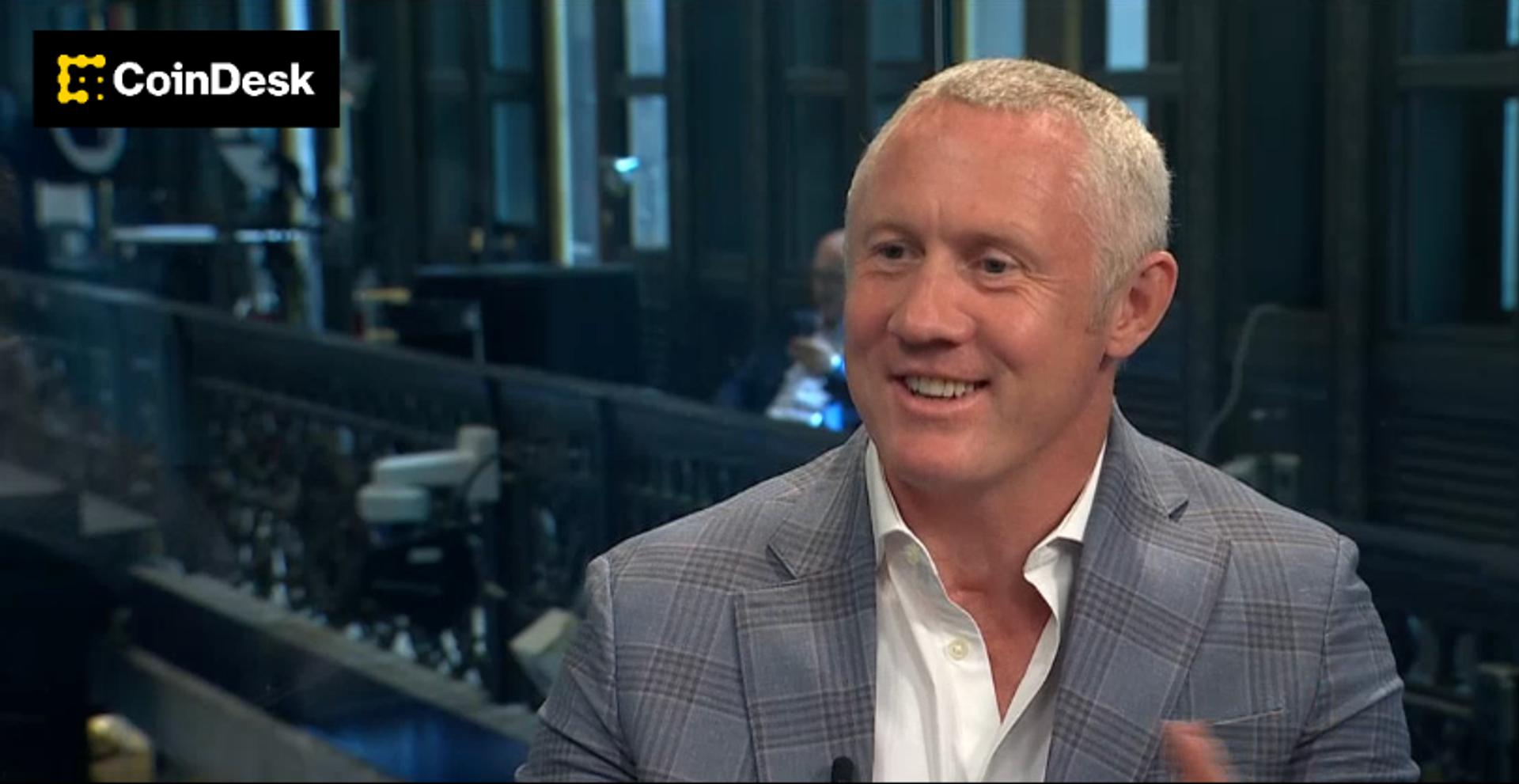
When you take a ninety percent haircut on your market share, you do not just wake up the next day and start over. You have to rebuild from the foundation up, while everyone is still watching the smoke rise from the previous fire. That is exactly where Binance.US finds itself right now. The exchange, which once commanded a massive twenty percent slice of the American crypto trading volume, is currently languishing in the low single digits. Now, the leadership is claiming they have a path back to the top by focusing on what they call a builder-first approach.
The Long Road Back from Irrelevance
For a founder, witnessing a platform decline this sharply is a masterclass in risk management. Binance.US did not just lose users because of a bad UI or poor marketing. They were sidelined by a massive regulatory crackdown that essentially severed their connection to the traditional banking world and clouded their brand with heavy legal uncertainty. At one point, the liquidity dried up so fast that those of us watching the order books thought the lights might go out permanently.
The current CEO is framing this as a rebuilding year. The strategy relies on three pillars that sound good on a pitch deck: ultra-low fees, deeper liquidity, and a pivot toward more regulated investment products. It is the classic comeback playbook. When you have lost the trust of the retail crowd, you try to buy it back with better prices. When you have lost the institutional crowd, you try to build a compliance fence around your products to prove you have changed.
The Fee War is a Race to the Bottom
One of the core components of this new strategy is lowering the cost of entry. From a builder perspective, low fees are great for volume, but they are a double-edged sword for the business itself. If you are Binance.US, you are fighting against Coinbase, which has the trust, and Kraken, which has the consistency. Competing on fees suggests that you do not have any other unique value proposition to offer.
As someone who builds in this space, I often ask myself if I would migrate my volume to a platform just to save a few basis points. Usually, the answer is no. Security, ease of withdrawal, and a clean regulatory track record are worth far more than a small discount on a trade. The exchange is betting that if they can make their liquidity deep enough, the institutional players will return. But institutions are not just looking for depth; they are looking for longevity. They want to know the exchange will still exist in five years.
Regulated Products as a Shield
The pivot toward regulated products is perhaps the most interesting part of this announcement. It signals an admission that the old way of doing things—moving fast and ignoring the perimeter—is dead in the United States. For builders, this is a signal that the next wave of growth will not come from unregulated offshore models, but from entities that can play nicely with the SEC and CFTC.
Binance.US is eyeing a twenty percent market share target. To get there, they have to convince the average American user that the platform is no longer a liability. They are talking about bringing in more sophisticated financial instruments that mirror those found in traditional finance. While that might satisfy the lawyers, it might also alienate the original crypto crowd that liked the platform for its aggressive listing strategy and high-speed execution.
Why Liquidity is the Real Hurdle
You can have the best app in the world, but if the spread on a major asset is too wide, the professionals will stay away. Binance.US saw a massive exodus of market makers when the legal pressure reached its peak. Without market makers, the slippage on trades becomes unbearable. The exchange is now claiming they are bringing that volume back, but rebuilding a liquidity pool is like trying to refill a lake with a garden hose. It takes time, consistency, and a lack of drama.
For those of us developing tools that integrate with these exchanges, the stability of the API and the depth of the order book are all that matters. If Binance.US can actually prove that their books are as thick as they claim, then they might have a shot. But if they are just subsidizing participation to make the numbers look better in the short term, the growth will not be sustainable.
The Reality of Rebranding
Let’s be honest: the name Binance carries luggage. Even though the U.S. entity is technically separate, the brand is inseparable from its global parent and the headlines of the last two years. The rebranding effort here is not just about a logo; it is about a cultural shift. They are trying to move from a rebel exchange to a cornerstone of regulated American finance.
That is a difficult pivot for any founder to pull off. It requires a complete change in the company's internal DNA. You have to hire more compliance officers than engineers. You have to spend more time with auditors than with community managers. This transition is usually where companies lose their competitive edge and become slow-moving corporate giants. Whether Binance.US can maintain their technical speed while wearing those regulatory handcuffs is the biggest question mark of 2026.
Final Takeaway for Builders
The lesson here for the builders in the room is that trust is the only currency that actually matters in the long run. You can gain market share with hype and low fees, but you can lose it in an afternoon if the foundation is not solid. Binance.US is trying to prove that a fallen giant can get back up, but they are playing on a very steep hill.
If you are looking to build on top of their ecosystem, keep your eyes on the liquidity metrics and the regulatory filings. Do not be swayed by a shiny interface or a marketing campaign about 20% market share targets. A target is just a number; the reality is the regulatory peace of mind that allows a business to stay open for the next decade. Success for them won't be reaching a specific percentage; it will be a year without a lawsuit.
Read the original at CoinDesk →