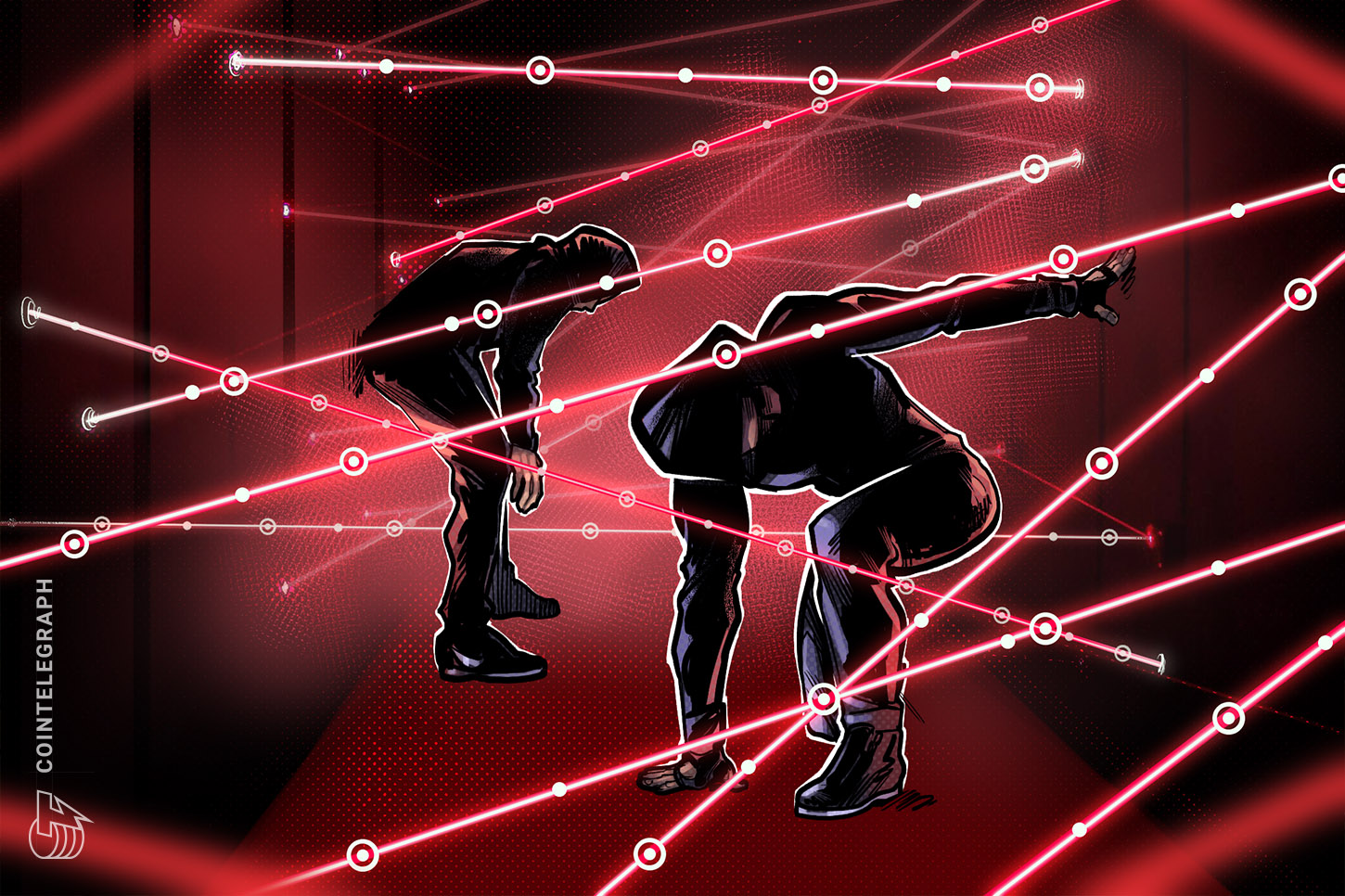
Security in this industry is often a game of cat and mouse, but lately, it feels like the mouse has upgraded to a jet engine. We are watching the aftermath of the Binance exploit play out in real-time, and the mechanics of how these funds are moving tell us more about the current state of decentralized infrastructure than any marketing pitch ever could.
The attackers behind the recent Binance breach have successfully moved roughly 81% of the stolen Solana. If you follow the money, you see a very specific pattern: they aren't just jumping from wallet to wallet. They are leveraging cross-chain liquidity protocols, specifically THORChain, to obfuscate the trail. This isn't a random choice. It is a calculated move that exploits the very bridge-less architecture we builders praise for its decentralization.
The THORChain Connection
For the uninitiated, THORChain is a decentralized liquidity protocol that allows users to swap native assets across different blockchains without using wrapped tokens. From a builder's perspective, it is a feat of engineering. From a hacker's perspective, it is a massive laundry machine with no central kill switch. Unlike a centralized exchange that can freeze a sub-account upon a manual request from law enforcement, THORChain operates on code.
The attackers waited for the protocol to resume swaps before pushing the bulk of the SOL through. This patience is what worries me. These aren't kids in a basement; these are sophisticated actors who understand the operational status of the tools they use. They know when the gates are open and when they are closed. By the time the industry realized the funds were moving, the SOL had already been converted into other assets, making it significantly harder to blacklist or recover.
Why Solana is the Target
We often talk about Solana’s speed and low fees as a win for UX. However, that same efficiency makes it an attractive playground for exploiters. Moving large sums of money quickly and cheaply is a feature for us, but it’s a tool for them. When you combine Solana’s throughput with the cross-chain capabilities of THORChain, you get an exit ramp that is nearly impossible to block once the transaction hits the mempool.
As builders, we have to ask ourselves if we are inadvertently building the perfect toolkit for bad actors. We want permissionless systems, but permissionless means anyone—including the person who just drained a Binance hot wallet—can use the rails we provide. The friction that used to exist in moving funds between ecosystems is disappearing, and that is a double-edged sword.
The Problem with Liquidity Protocols
The core issue here isn't THORChain itself, but the lack of a unified response mechanism in a decentralized environment. When a centralized exchange gets hit, they call their peers, and the industry tries to wall off the stolen assets. In the world of DeFi and cross-chain swaps, there is no one to call. The protocol does what it was programmed to do: it facilitates a swap if the liquidity is there and the slip is within parameters.
This creates a massive blind spot for security researchers. We can track the tokens to the bridge, but once they go through a protocol like THORChain, the trail becomes fragmented. The hackers are essentially using the decentralized nature of these tools to strip the "taint" off the tokens. By the time the assets exit the other side, they are often in the form of Bitcoin or stablecoins, ready to be cashed out or hidden further.
The Founder's Perspective on Risk
If you are building in the DeFi space, you need to look at this incident as a case study in unintended consequences. Your protocol might be secure, your smart contracts might be audited, but how is your liquidity being used? We are moving toward a world where "compliance" in DeFi is becoming a forced conversation rather than an optional one.
I’ve always been a proponent of builder-first decentralization, but we have to be honest about the trade-offs. The more we automate the movement of value, the more we automate the escape routes for criminals. The Binance hackers didn't need a sophisticated money laundering network; they just needed a functional UI and a liquid pool.
What This Means for the Ecosystem
The fact that 81% of the stolen funds have already moved suggests that our current monitoring tools are reactive, not proactive. We are essentially watching a bank robbery in high definition, but the police are stuck behind a locked door because the getaway car is flying over a border we don't recognize.
We are going to see a lot of pressure on protocols like THORChain to implement some form of guardrails. Whether that is a pause button for suspicious volume or a more robust way to flag stolen collateral, the status quo is unsustainable. If decentralized protocols become the primary way for hackers to exit, the regulatory hammer will fall harder on the developers of those protocols than on the hackers themselves.
The paradox of DeFi is that the same tools that give us financial freedom also provide the ultimate cover for those who wish to undermine the system.
We need to stop pretending that decentralization is a shield against responsibility. As we build the next generation of financial infrastructure, we have to consider the social and legal ramifications of our code. The Binance hack isn't just a loss for one exchange; it’s a stress test for the entire concept of cross-chain interoperability.
Takeaway
The speed at which these funds moved through THORChain proves that decentralized cross-chain liquidity is now a mature technology. Unfortunately, the first group to fully master it appears to be the attackers. For builders, the lesson is clear: if your protocol can be used as a high-speed exit for stolen assets, it will be. We need to start building with the assumption that our tools will be weaponized, and plan accordingly before the regulators do it for us.
Read the original at Cointelegraph →