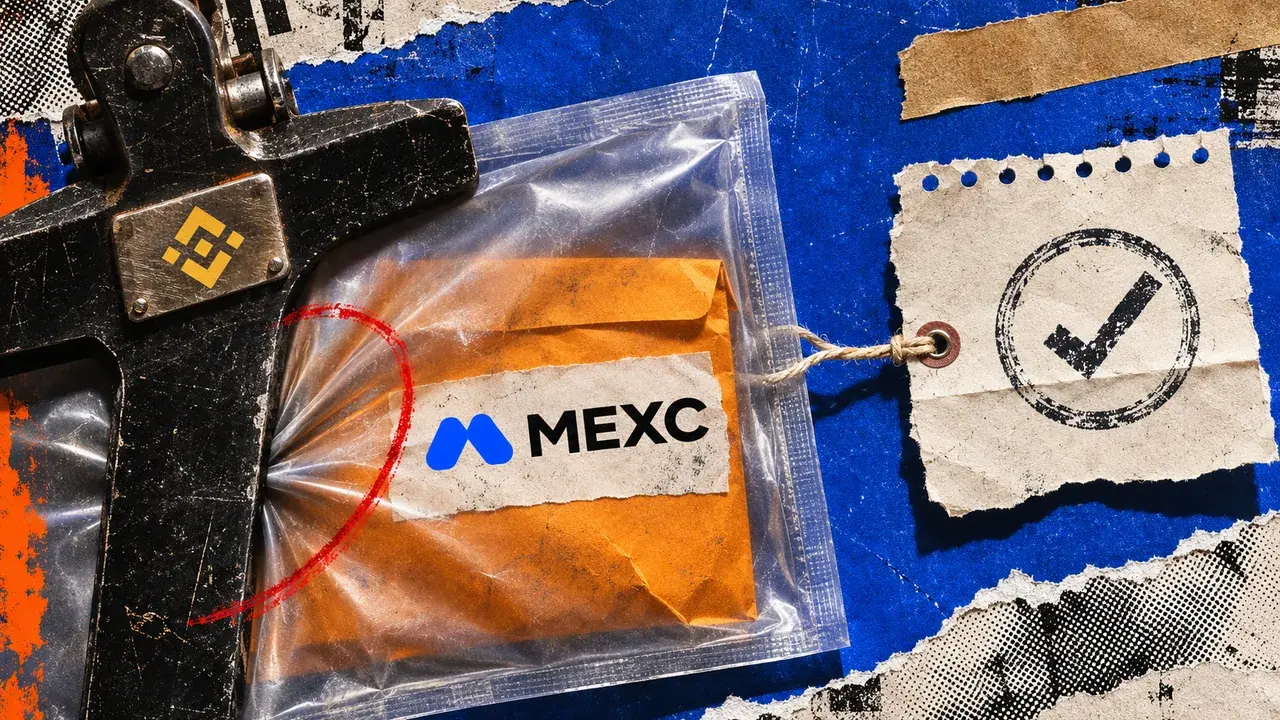
We have been told for years that the blockchain is the source of truth. If the block is mined and the transaction hash shows 'Success,' the money has moved. But for anyone trying to bridge funds from MEXC to Binance right now, that source of truth is hitting a very human, very centralized wall.
Reports are surfacing that Binance is holding deposits coming from MEXC accounts even after those transactions have been cleared and confirmed on-chain. This isn't a technical glitch or a slow node. It is a deliberate policy. Binance is effectively telling users that while the blockchain says they have the money, Binance isn't so sure they want them to have it yet.
The Illusion of Instant Settlement
For builders, this is a glaring reminder of the 'last mile' problem in crypto. We build decentralized protocols and trustless smart contracts, but the vast majority of liquidity still sits behind the gates of massive, centralized entities. When you send USDT from MEXC to Binance, you aren't really sending money; you are asking one private ledger to update another private ledger.
The blockchain part is just the courier. Once the courier delivers the package to Binance's front door, the exchange can decide to leave that package in the lobby for as long as they want while they run their internal 'reviews.' This creates a dangerous friction for traders and founders who rely on fast capital rotation. If your funds are in limbo, they are effectively non-existent for the duration of the hold.
Why MEXC is in the Crosshairs
Binance hasn't been shy about why this is happening. They are scrutinizing these deposits under the umbrella of compliance and risk management. MEXC has long been the 'Wild West' of the exchange world, listing tokens faster than anyone else and often operating with a lighter touch on KYC than their larger counterparts. This makes them a liquidity magnet for early-stage projects, but it also makes them a red flag for the compliance departments at Binance.
When a major exchange starts holding funds from a specific peer, it is usually a sign of an asymmetrical regulatory relationship. Binance, having already paid billions in fines and operating under a US monitor, cannot afford to be seen as a washing machine for funds coming from platforms with less oversight. They are essentially treating MEXC as a high-risk zone.
The Founder's Dilemma
If you are a founder, this matters because it impacts your token's health. Many projects launch on MEXC because the barrier to entry is lower. It’s where the initial price discovery often happens. But if the path from your primary trading hub (MEXC) to the world’s largest liquidity pool (Binance) is throttled, your market becomes fragmented.
This creates a situation where the price on MEXC might decouple from other venues because users are afraid to arbitrage. If an arb trader sees a 2% spread but knows their deposit might be locked in a Binance review for 72 hours, they won't take the trade. The result? More volatility, less efficiency, and a harder time for builders trying to maintain a stable ecosystem.
The Reversal of Flow
Interestingly, the friction isn't just one way. When users try to move funds from Binance back to MEXC, they are met with similar warnings. It’s a digital standoff. Each exchange is essentially saying, 'We don't trust what's happening over there.' This is the antithesis of the interoperable future we were promised.
As builders, we have to look at this and realize that the 'CEX' layer of the stack is becoming increasingly siloed. We are moving away from a global liquidity pool and toward a series of walled gardens that only talk to each other when the compliance officers are happy.
The Infrastructure Fix
So, what is the takeaway for those of us actually building in this space? It is a loud, clear signal to stop relying on centralized rails for movement of value. On-chain finality should mean something. If a transaction is confirmed, the value should be usable.
- Focus on DEX Liquidity: If your project's primary liquidity is on Uniswap or Raydium, this Binance-MEXC drama doesn't touch you. You are relying on code, not a compliance officer's mood.
- Bridge Diversification: Don't let your users get comfortable with a single path for their capital. Encourage the use of decentralized bridges and non-custodial wallets.
- Expect the Squeeze: This won't be the last time Binance flags a smaller exchange. As the regulatory noose tightens, expect more 'soft blocks' where money can move into an exchange but can't be traded or moved out.
The biggest risk in crypto today isn't a smart contract exploit; it's a centralized exchange deciding that your 'confirmed' transaction needs a few days of manual review.
We are entering an era of 'guilty until proven innocent' for on-chain movements. For years, the industry mantra was 'Don't Trust, Verify.' Now, the centralized exchanges have flipped that to 'Verify, Then Still Don't Trust.' If you're building a product that requires moving assets between these platforms, you need to bake these delays into your user experience and your risk models.
The blockchain did its job. The transaction cleared. The fact that the money is still stuck proves that we aren't nearly as decentralized as we like to pretend during bull markets. For builders, the mission remains the same: keep building the tools that make these gatekeepers obsolete.
Read the original at CryptoSlate →