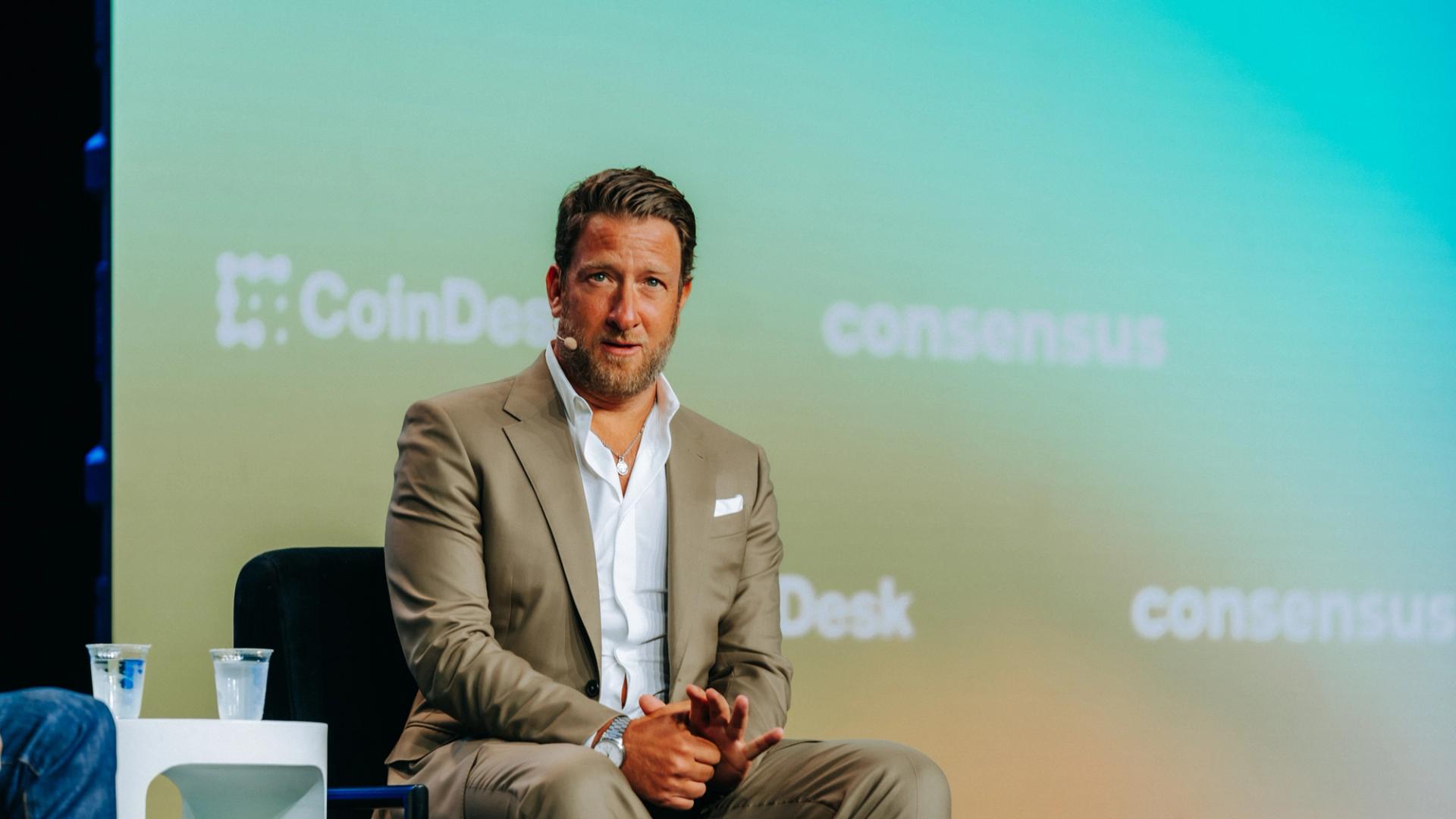
We have all seen this movie before. A high-profile personality with a massive platform enters the crypto space during a frenzy, buys the local top, and then declares they are a diamond-handed believer who will ride the asset to zero. Dave Portnoy, the face of Barstool Sports, recently admitted he bought into Bitcoin near the $100,000 mark. Now that the market is doing what the market does—cooling off—he is doubling down on a strategy born of frustration: holding until the end, no matter what.
From a builder's perspective, this is a fascinating case study in psychology. It is not really about the technology or the decentralized future of finance. It is about the pain of being wrong and the defensive mechanisms we build to avoid admitting a mistake. In the startup world, we call this the sunk cost fallacy. In crypto, we call it being a community hero. But if you are actually trying to build a sustainable company or a long-term portfolio, this "zero or hero" mentality is a dangerous trap.
The High Cost of Performance Conviction
Portnoy is a charismatic founder. He built a media empire on raw honesty and high-stakes gambling. That works for entertainment, but it is a rough blueprint for asset management. By publicly stating he will hold to zero, he is effectively removing his ability to be objective. He has turned a financial decision into a personality trait.
For those of us building in AI and Web3, we see this all the time. Founders fall in love with a specific feature or a specific chain. When the market tells them it isn't working, they don't pivot; they dig in. They confuse stubbornness with vision. Digging in can be a virtue when you are solving a hard technical problem, but it is a liability when you are ignoring market signals.
Bitcoin at $100,000 felt like a psychological milestone that many couldn't resist. It was the point where the "fear of missing out" finally outweighed the fear of a crash. When you buy at the all-time high, you aren't investing in the tech; you are investing in the momentum. When the momentum stops, you are left holding a very expensive lesson.
The Timing Paradox
Portnoy admitted he has timed his entries and exits poorly every single time. This is the honest truth that most influencers won't tell you. Timing the market is virtually impossible for anyone who isn't running a high-frequency trading bot with a direct line to the exchange. Even for builders, timing the launch of a product is more art than science.
The takeaway for builders here is simple: if your success depends on perfect timing, your business model is fragile. Bitcoin is an institutional asset now. It doesn't move just because of a few tweets or a viral video. It moves based on global liquidity, interest rates, and regulatory shifts. Trying to "trade" these cycles as a retail investor—even a wealthy one—is usually a losing game.
The most dangerous thing you can do in a volatile market is make a decision based on ego. Holding to zero is not a strategy; it is a surrender.
What This Means for the Builders
While the media focuses on whether Dave Portnoy wins or loses his bet, builders should be looking at the underlying sentiment. When the "loud money" starts promising to hold to zero, it usually indicates we are in a period of exhaustion. The easy gains are gone, and the people who bought in late are trying to find a way to justify their position.
If you are building a product in this space, this is actually good news. The noise starts to fade. The people who were only here for the 100x gains start to leave, and the people who actually care about the utility of the protocol remain. We need fewer "traders" and more people who understand that volatility is the price of admission for innovation.
- Focus on utility, not price: If your project only works when Bitcoin is at an all-time high, it isn't a project; it's a derivative.
- Manage your treasury like a cynic: Never put yourself in a position where you have to "hold to zero." Always have enough runway to survive the drawdown.
- Ignore the theater: Personalities like Portnoy are in the business of engagement. You are in the business of engineering. Do not let their emotional rollercoasters dictate your development roadmap.
The Founder Perspective on Logic vs. Emotion
Being a founder requires a certain amount of irrationality. You have to believe in something that doesn't exist yet. However, that irrationality should be reserved for your product, not your balance sheet. Portnoy’s "zero" pledge is an emotional response to a financial reality. He is frustrated that he missed the run-up and bought the peak.
In AI, we see a similar trend. People are throwing massive amounts of capital at compute and models without a clear path to revenue. They are "holding to zero" on the idea that AGI will solve everything. It might, but it might not happen on your timeline. Just as Bitcoin might hit $1 million or $0, your startup might hit unicorn status or bankruptcy. The goal is to stay in the game long enough to see the result, not to bankrupt yourself on a point of pride.
Takeaway
Conviction is only valuable if it is backed by a thesis that hasn't changed. If you bought Bitcoin because you believe it is the future of global collateral, a price drop doesn't change that. If you bought it because you saw a green candle and social media hype, a price drop changes everything. Don't let your ego turn a bad entry into a total loss. Real builders know when to hold, when to hedge, and when to admit the market knows something they don't.
Read the original at CoinDesk →