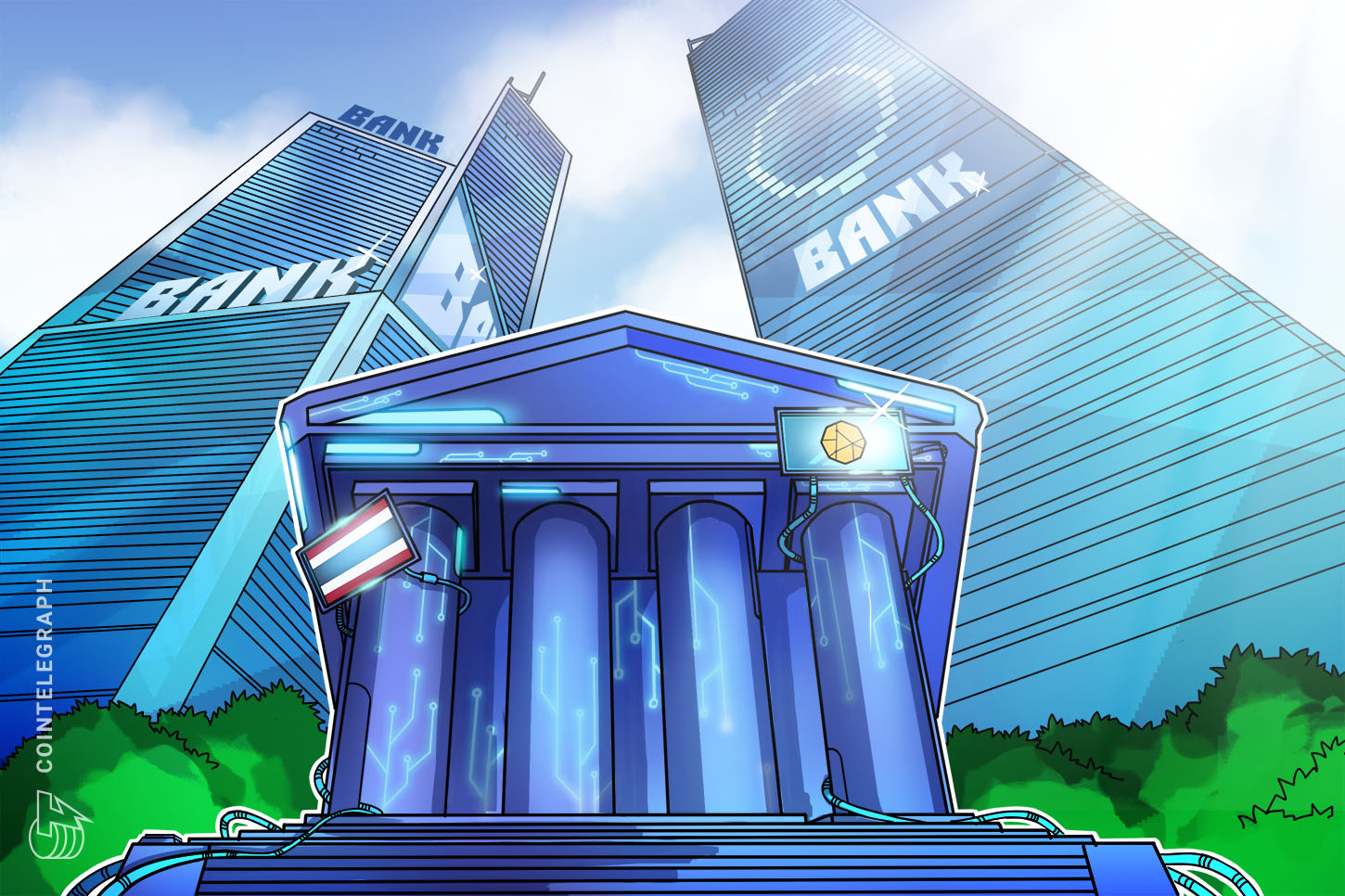
Thailand is currently at the center of a geopolitical and financial tug-of-war. For years, the country has been a vibrant hub for digital nomads and early crypto adopters, but the darker side of that openness is starting to catch up with the regulators. The Bank of Thailand is now explicitly targeting the flow of gray money, specifically pointing their finger at USDT as the primary lubricant for illicit economies.
The Gray Money Reality
When we talk about gray money in Southeast Asia, we aren't just talking about tax evasion. We are talking about massive, industrial-scale scam centers often linked to foreign organized crime syndicates. These operations move billions, and they don't do it through traditional SWIFT transfers. They use Tether. It is fast, it is stable enough to hold value during a move, and until recently, it was relatively easy to off-ramp through local P2P networks.
The Thai government has seen the data, and they are spooked. The concern isn't just the crime itself; it is the erosion of the local currency's sovereignty and the difficulty of tracking capital flight. When a significant portion of a country's economic activity bypasses the regulated banking system, the central bank loses its ability to pulse-check the economy. For a builder, this means the honeymoon phase of loosely regulated P2P markets in Thailand is officially ending.
Why Tether is the Target
It is easy to blame the tool rather than the user, but from a regulator's perspective, USDT is the perfect vehicle for shadow banking. The Bank of Thailand and the Anti-Money Laundering Office (AMLO) are looking at the volume of USDT circulating in informal exchanges and realizing that their existing KYC frameworks have massive holes. The crackdown isn't a ban on crypto as a whole, but rather an aggressive attempt to force all stablecoin activity into a visible, audited box.
For builders, this is a signal that the compliance-free era of localized crypto platforms is hitting a wall. If your project relies on the frictionless movement of USDT between unregulated entities in the region, your risk profile just skyrocketed. Thailand has been relatively friendly toward blockchain innovation, but they are drawing a hard line at anything that smells like money laundering or capital flight disguised as innovation.
The Impact on Local Exchanges
We are likely to see a tightening of the screws on domestic licenses. The Bank of Thailand is putting pressure on authorized exchanges to monitor high-frequency USDT movements more closely. This usually results in more frequent account freezes and more invasive requests for proof of funds. It creates a friction point that hurts legitimate users and small-scale founders who are just trying to move capital for operations.
The irony is that the more the government squeezes the regulated exchanges, the more the gray market migrates to decentralized protocols or truly underground hardware-wallet-to-cash handoffs. Regulators think they are closing a door, but they might just be pushing the activity into a room where they have even less light.
What This Means for Founders
If you are building in the payment space or operating a startup that uses stablecoins for payroll in Southeast Asia, you need to be paying attention. This isn't just a Thai problem; it is a regional trend. Countries like Vietnam and the Philippines are watching how Thailand handles this. If the Bank of Thailand successfully throttles illicit USDT flows without killing their tech sector, expect a carbon-copy policy across the ASEAN block.
- Expect stricter P2P oversight: The days of casual USDT-to-Baht transfers without deep documentation are numbered.
- Diversify your stablecoin exposure: Relying solely on USDT in a region where it is being actively hunted by central banks is a single point of failure.
- Focus on transparency: If you are building a platform, integrate robust AML tools early. Retrofitting compliance after the regulators knock on your door is a death sentence.
The Skeptical View
We have seen these crackdowns before. The reality is that as long as there is a demand for shadow banking and as long as scam centers generate billions in revenue, they will find a way to move the money. Tether is the incumbent tool, but if the pressure becomes too high, they will move to other assets or methods. The central bank is playing a game of whack-a-mole.
However, the collateral damage usually lands on the legitimate builders. Those of us trying to create transparent, efficient financial systems are the ones who have to fill out the paperwork and pay the legal fees. The criminals just find a new obfuscation layer. It is a frustrating cycle, but it is the environment we are operating in.
The Takeaway for Builders
Thailand’s move against USDT is a reminder that "stable" doesn't just refer to price; it refers to the regulatory environment. The Bank of Thailand is making it clear that unregulated stablecoin flows are a threat to national security. For builders, the path forward requires a shift away from the "move fast and break things" mentality regarding capital flows. If you want to survive in the Thai market, you have to embrace the fact that the government wants a seat at the table for every transaction.
The friction between decentralized assets and centralized control is reaching a boiling point in Southeast Asia. Thailand's crackdown is just the first chapter.
My advice? Don't wait for the official decree. Start auditing your own flows and ensure you have a clear paper trail for every USDT movement in your business. The regulators are looking for easy targets to make an example of, and you don't want to be the one caught in the crossfire of a gray money cleanup.
Read the original at Cointelegraph →