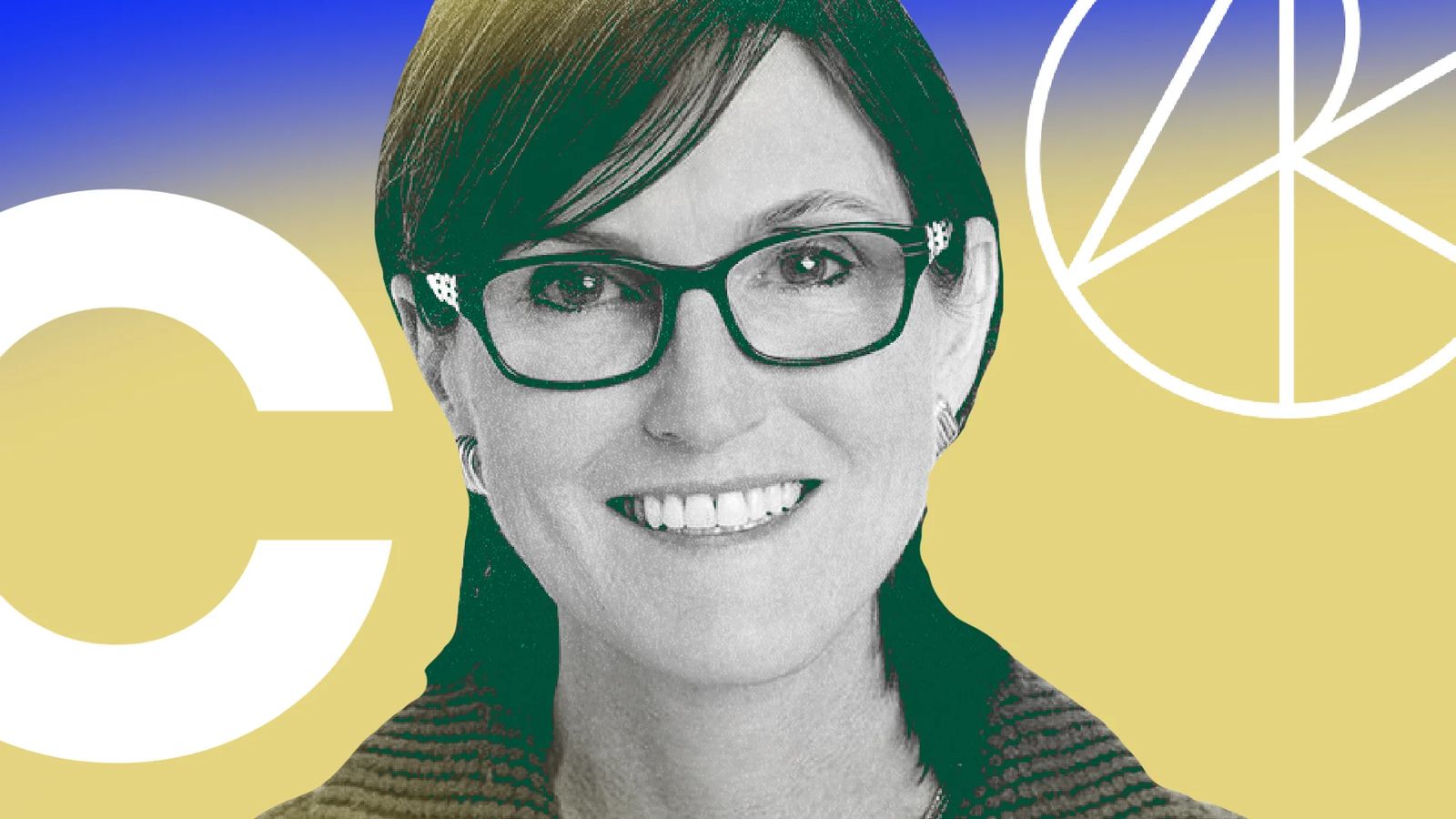
The Great AI-to-Crypto Rotation
Ark Invest, led by Cathie Wood, just executed a move that should make every founder stop and check their treasury allocations. They trimmed roughly $85 million from their Nvidia position to pile deeper into crypto-native stocks. On the surface, it looks like a simple rebalancing. If you dig deeper, it is a statement on where the next leg of the 'innovation' premium actually lives.
Nvidia has been the undisputed king of the AI gold rush. If you build in AI, you pay the Nvidia tax. But for an investment firm that prides itself on catching the 'next' thing before it becomes the 'consensus' thing, Nvidia is starting to look like a legacy play. The growth is there, but the massive alpha might be exhausted. By moving that capital into crypto equities, Ark is betting that the infrastructure layer of the digital economy has more room to run than the hardware layer of the intelligence economy.
For builders, this is a signal of shifting liquidity. When the big funds start selling the picks and shovels of AI to buy the picks and shovels of crypto, they are anticipating a regulatory or technological breakout that hasn't been fully priced in yet. It is a reminder that while AI is the flavor of the year, crypto remains the only industry capable of re-engineering how value itself moves.
New York Gets a Taste of Onchain Credit
While the big funds are moving paper, Coinbase is moving actual code. They just announced the expansion of onchain crypto loans to users in New York through a partnership with Morpho. This is a significant milestone because New York is famously one of the most difficult jurisdictions for any crypto founder to navigate. The BitLicense has been a wall that many startups simply choose not to climb.
The fact that Coinbase is bringing DeFi-adjacent products to the Empire State suggests two things. First, the legal frameworks are finally catching up to the technology. Second, the demand for capital efficiency is so high that even the most regulated markets can no longer ignore onchain lending. This isn't just about letting people borrow against their Bitcoin; it is about proving that decentralized protocols like Morpho can survive the scrutiny of New York regulators.
If you are building in DeFi, this is your green light. If Morpho and Coinbase can make it work in New York, the 'regulatory moat' that has kept many founders out of the US market is starting to crack. We are moving from the era of 'ask for forgiveness' to an era of 'integrated compliance,' where the protocol does the heavy lifting of ensuring the rules are followed without a middleman.
The Founder's Dilemma: Hardware vs. Protocol
We are seeing a convergence. AI needs massive compute (Nvidia), and crypto needs massive utility (Coinbase/Morpho). The Ark trade represents a pivot from the physical constraints of hardware to the programmable potential of protocols. As a founder, you have to ask yourself where your leverage lies. Hardware is cyclical and prone to supply chain shocks. Protocols, once they reach a tipping point of liquidity and regulatory clarity, are incredibly sticky.
I have spoken to dozens of founders who are currently trying to shoehorn AI into their crypto projects or vice versa. Most of it is noise. The real value is in the boring stuff: how we move money, how we collateralize assets, and how we exit the gatekeepers. Coinbase’s push into New York with onchain loans is a 'boring' win that matters more for the long-term health of the ecosystem than any AI-themed memecoin launch.
What This Means for the Builder Community
If you are currently building, here is the takeaway from this week's movements. Do not get distracted by the high-flying valuations of the hardware giants. Yes, Nvidia is a beast, but the infrastructure for the next decade is being built onchain. Here is why this matters for your roadmap:
- Institutional Appetite: Big money is looking for entry points into crypto that feel like traditional equities. If you are building a B2B service or a protocol, think about how it translates to an institutional dashboard.
- Regulatory Precedent: The New York expansion is a case study. Study how Coinbase and Morpho structured this. They didn't fight the regulator; they built a product that the regulator couldn't find a reason to ban.
- Liquidity Rotation: When AI capital starts looking for a home in crypto, it doesn't go to the fringes. It goes to the established players and the robust protocols. Focus on building something that can handle real volume.
"The move from hardware-centric growth to protocol-centric utility is the shift that defines the next cycle of the internet."
We are exiting the phase where crypto was a speculative casino and entering the phase where it acts as the backend for global finance. When a New Yorker can take out a loan on a decentralized protocol through a major exchange, the 'crypto is a scam' argument loses its last leg to stand on. It becomes just another tool in the financial shed, albeit a much more efficient one.
Final Thoughts for the Skeptical Founder
I tend to be skeptical of any move Cathie Wood makes because she is known for her high-beta, high-volatility appetite. But this isn't just about Ark. This is about the reality that the AI trade is getting crowded and the crypto trade is getting refined. For the builders in the trenches, this means more eyes on your product and more potential for real-world integration.
The takeaway is simple: Keep building the plumbing. The fancy faucets and gold-plated handles (AI) get the headlines, but the people who own the pipes (Crypto/DeFi) are the ones who control the flow of the house. Don't let the Nvidia hype cycle make you think you're in the wrong lane. You're exactly where the smart money is rotating to.
Read the original at The Block →