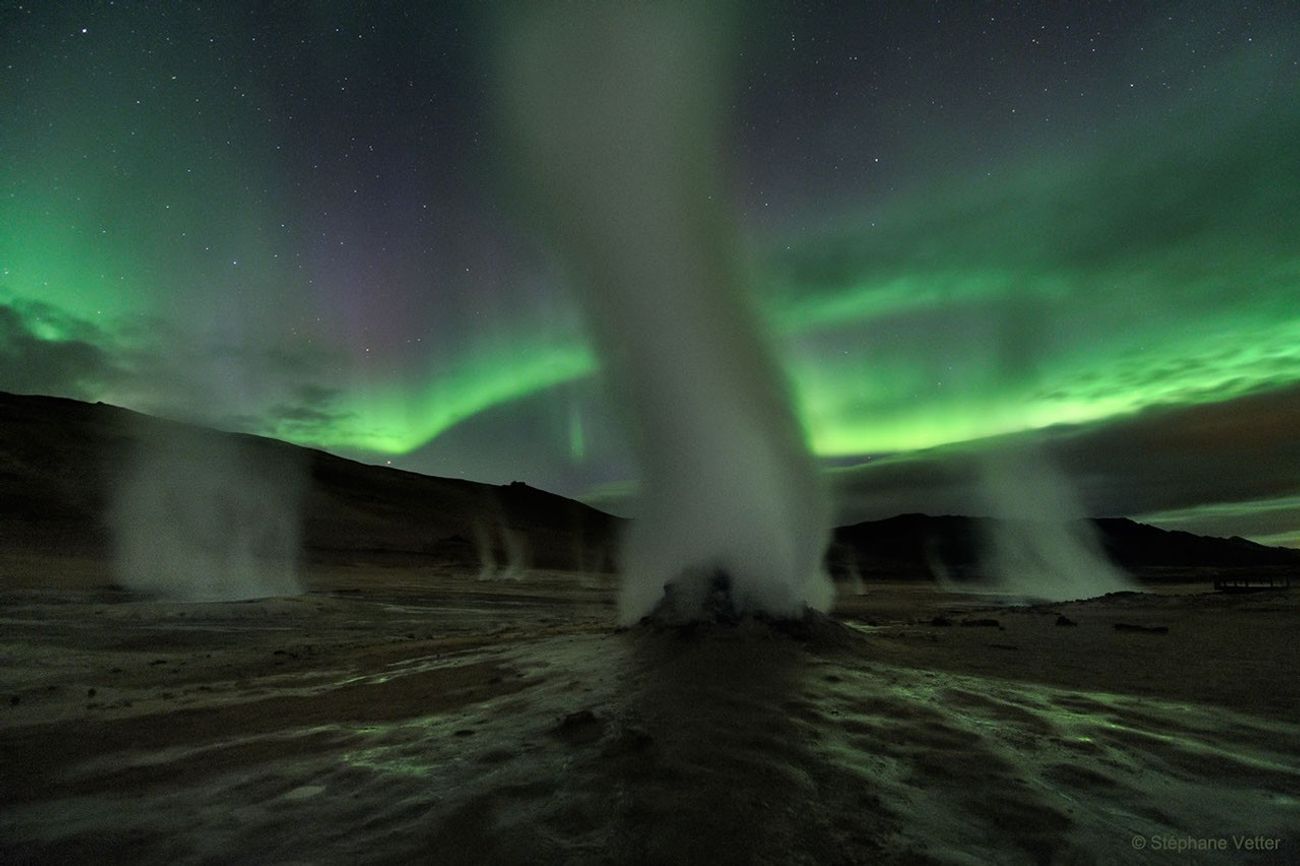
NASA recently released a feature titled Night on a Spooky Planet, using the backdrop of Halloween to highlight the more extreme and unsettling corners of our galaxy. While the agency uses this to engage the public with high-contrast imagery and celestial lore, there is a deeper lesson here for those of us building in technical fields like AI and decentralized infrastructure.
The Value of Data Storytelling
In the crypto world, we often get bogged down in the technical specs. We talk about transactions per second, consensus mechanisms, and sharding. But NASA understands something fundamental: people do not care about the math until you give them a visual or a story they can relate to. By framing exoplanets as spooky locations, they take dry astronomical data and turn it into a narrative.
For founders, this is a masterclass in marketing complex systems. If you are building a new protocol, you are essentially asking users to inhabit a new digital world. If that world is just a spreadsheet of metrics, it stays niche. If you frame the challenges your tech solves as villains or monsters, you create an emotional hook.
Hard Data vs. Artistic Interpretation
The images featured in these reports are often artist interpretations based on real spectral data. This is an honest way to handle the gap between what we know and what we see. It is not a fake; it is a calculated projection. In AI development, we face a similar challenge with black-box models. We have the inputs and the outputs, but the middle is often a mystery that requires visualization to become useful.
- Abstraction is necessary: You cannot show a raw data stream to a customer and expect them to understand the value.
- Accuracy matters: While the NASA images are stylized, they are rooted in the physical properties of the planets, like iron rain or extreme gravitational pull.
- Timing is everything: Leveraging a cultural moment like Halloween to drop technical news ensures a higher reach than a random Tuesday release.
What Builders Can Learn from Exoplanets
Building in the current tech cycle feels a lot like exploring these hostile planets. The environment is harsh, the atmosphere is thin, and most of your peers are going to burn up on entry. However, the planets NASA highlights are unique because they push the boundaries of what we think is possible for a physical environment.
As a builder, your project should push similar boundaries. If you are just building another copy-paste DEX or a wrapper for a basic LLM, you are not exploring anything new. You are just orbiting a comfortable sun. The projects that get noticed are the ones that sound impossible until you see the data visualization that proves they exist.
The Skeptic Perspective on Hype
I have to be honest: there is a fine line between creative storytelling and pure hype. NASA stays on the right side of that line by keeping professional astronomers involved in the explanations. In our industry, we often see the opposite. We see the spooky, exciting imagery with absolutely no data behind it.
If you use a hook to get people in the door, you better have the substructure to keep them there. A cool UI might get a user to connect their wallet, but if the underlying smart contract is buggy or the utility is non-existent, the spooky theme becomes a warning sign rather than a marketing win.
The Takeaway for Founders
Stop treating your technical updates like homework. Start treating them like discoveries. When NASA talks about a planet where the night lasts forever or the wind moves at supersonic speeds, they are describing features, not bugs. They are showing the character of the system.
Think about the character of your product. Is it fast? Is it resilient? Is it decentralized to the point of being unkillable? Use those traits to build a world around your code. If you can make your users feel like they are part of a mission rather than just a user base, you have already won half the battle.
We are all trying to navigate a dark, often confusing market. The builders who survive are the ones who can shine a light on what they are doing in a way that makes sense to the rest of the world. Do not just build a tool; build a destination.
The most interesting things in the universe are the ones that challenge our expectations of what is normal. Our job as builders is to create those new normals.
As we look at these distant, spooky worlds, remember that every major tech breakthrough started as an observation that looked a bit weird to everyone else. Stick to the data, but do not be afraid to dress it up when it is time to show the world what you have found.
Read the original at NASA Breaking News →