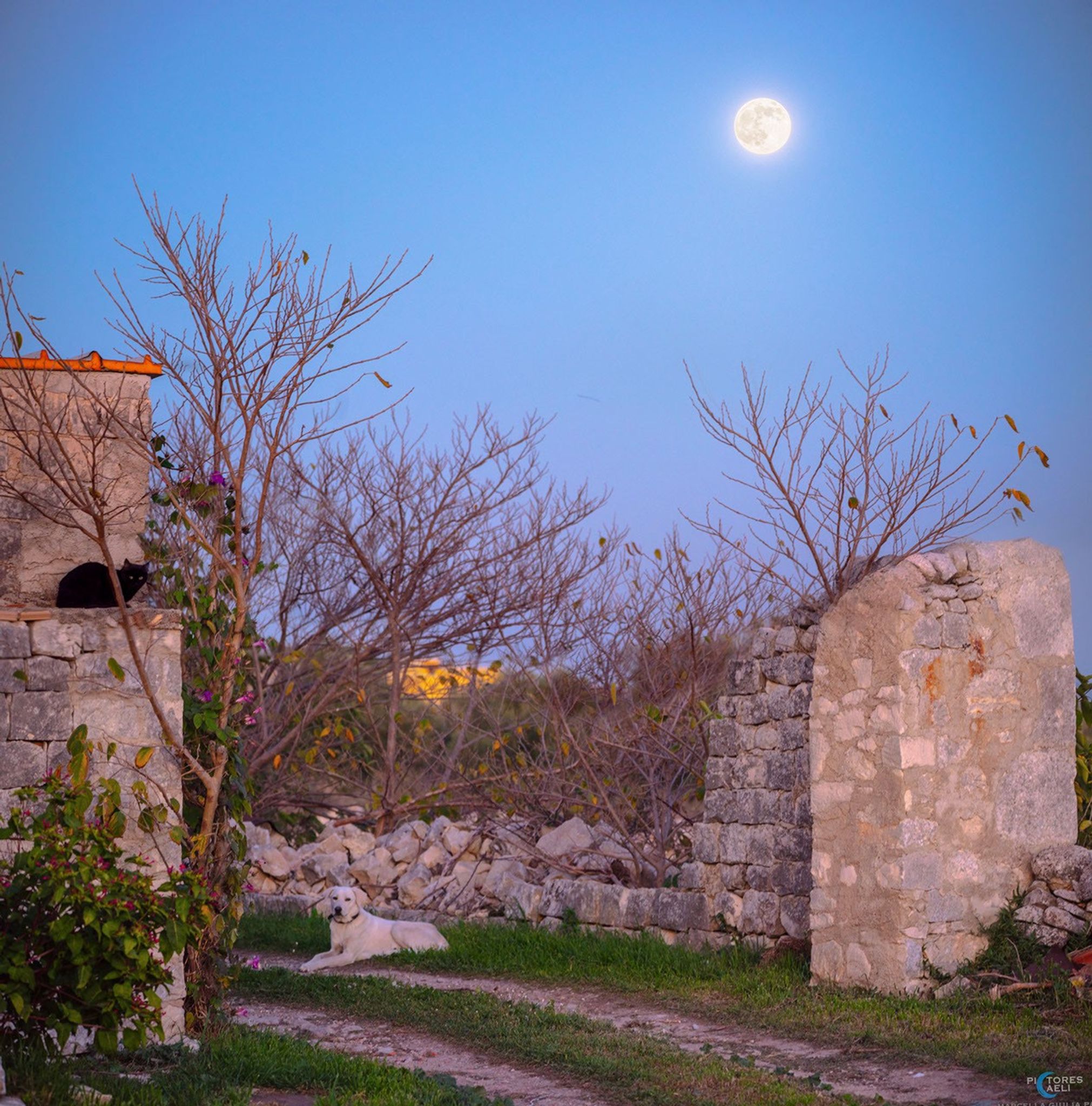
The View from the Ground
I spend most of my day staring at terminal windows and market charts. Most of you probably do, too. We live in a digital vacuum where the only thing that matters is the next block height or the next iteration of a model. But every so often, something forces a perspective shift. NASA’s recent spotlight on the collective experience of stargazing is one of those moments. It is a reminder that while we are busy building digital worlds, the physical one is still operating on a much grander, much older timeline.
The concept of a "moon watcher" isn't just about someone holding a telescope. It is about the shared human impulse to observe something constant in a world that feels increasingly fragmented. For those of us in crypto and AI, the moon is usually a metaphor for price action or exponential growth. We talk about "mooning" as an exit strategy. But looking at the actual lunar surface reminds you that the original moon doesn't care about your liquidations or your seed round. It is a massive, silent witness to everything we’ve ever done.
The Utility of Wonder
As builders, we are trained to look for utility. If it doesn't solve a problem, automate a task, or generate yield, we tend to ignore it. Science communication projects like NASA’s Astronomy Picture of the Day might seem like "fluff" to the hyper-productive founder. It is just a picture and some text. However, there is a deep, functional value in maintaining a sense of scale. When you are deep in the weeds of a protocol failure or a training bottleneck, your world shrinks to the size of your monitor. That kind of tunnel vision is where bad decisions are made.
Stepping back to look at the cosmos isn't just about aesthetics. It is about recalibrating your internal compass. If the universe has been functioning for billions of years without a consensus mechanism, maybe that bug you’re stressing over isn't the end of the world. It sounds like a platitude, but in a high-stress industry like ours, these small moments of awe are necessary for long-term mental stamina.
Community and the Shared Lens
The NASA archive highlights something we often try to manufacture in Web3: a truly global community. The act of watching the moon is one of the few things every human on earth can do simultaneously. It is a permissionless, decentralized experience. You don't need a wallet, you don't need a subscription, and you don't need a high-speed connection. You just need to look up.
We talk a lot about "network effects" and "community building." Usually, we mean a Discord server full of people hoping the token price goes up. But the community of astronomers and casual observers is built on a different foundation: curiosity. They aren't looking for a payout; they are looking for understanding. There is a lesson there for founders. The strongest communities aren't built on financial incentives alone; they are built on a shared fascination with a specific problem or a specific vision of the future.
The Long Game
Space is the ultimate long game. The light we see from stars took years, decades, or centuries to reach us. In a world of sub-second finality and instant gratification, that kind of timeline is almost impossible to wrap our heads around. We get frustrated if a transaction takes more than ten seconds. We get impatient if an AI model doesn't give us the perfect answer in three. But the physical reality of the universe is slow, deliberate, and persistent.
Building something that lasts—whether it’s a decentralized protocol or a new form of intelligence—requires that same kind of persistence. You have to be willing to work on things that might not show results for a long time. You have to be okay with being a "watcher" for a while before you become a participant. The moon watchers in the NASA feature aren't changing the moon; they are observing it to understand their place in the world. As builders, we should spend more time observing the systems we inhabit before we try to disrupt them.
Why Builders Should Care
You might ask what this has to do with your tech stack. The answer is nothing and everything. It has nothing to do with your code, but it has everything to do with the human being writing the code. We are not machines. We are biological entities that evolved under that same moon. When we ignore our connection to the physical world, our work becomes hollow. It loses its context.
I’ve seen too many founders burn out because they forgot there was a world outside of their startup. They treated their lives like a optimization problem and deleted anything that didn't have a direct ROI. Wonder was the first thing to go. But wonder is actually the fuel for innovation. If you aren't curious about the world, you won't be curious enough to find the next big breakthrough. You’ll just be iterating on what already exists.
Final Takeaway
The next time you’re stuck on a problem or feeling the weight of the market, close your laptop. Go outside. Find the moon. It is the original decentralized ledger, recording the passage of time for everyone, everywhere, for free. Remembering your scale in the universe doesn't make your work less important; it just makes it more human. Don't be so busy building the future that you forget to live in the present.
Read the original at NASA Breaking News →