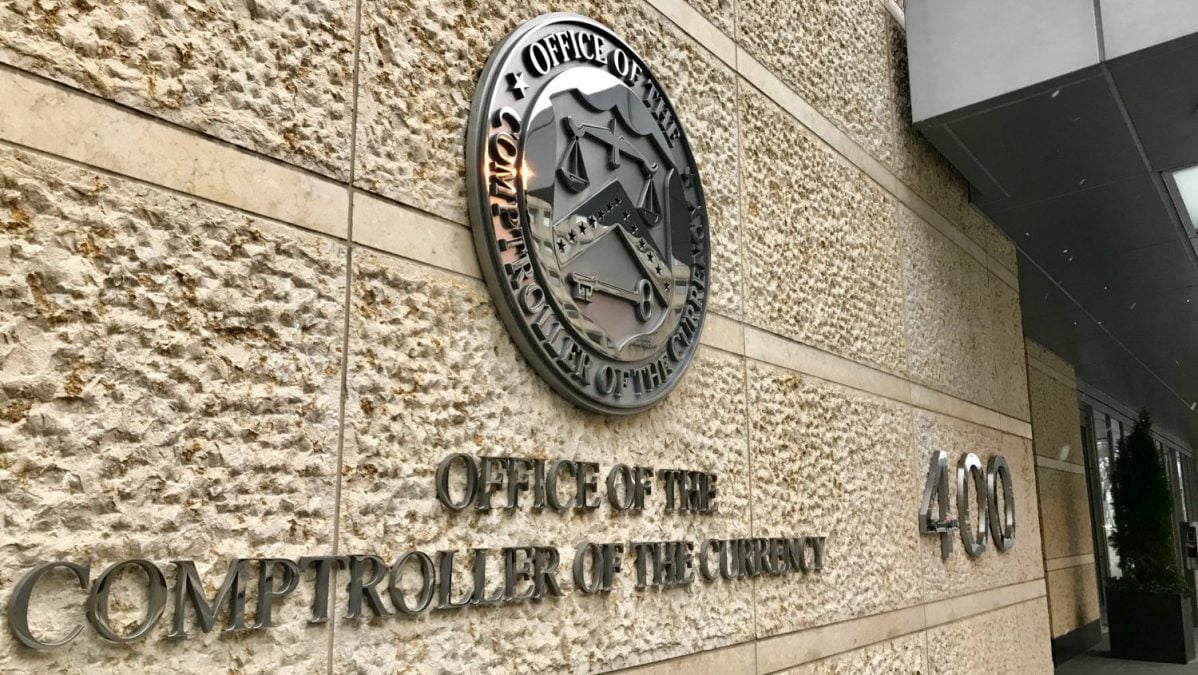
The regulatory wall between crypto and traditional banking just got a significant crack in it. OpenReserve, a fintech startup backed by a $25 million seed round from Andreessen Horowitz, has received preliminary approval from the Office of the Comptroller of the Currency (OCC) to create a national trust bank. This isn't just another crypto firm getting a state license; this is a federal play to build a bridge that actually holds up under pressure.
The Institutional Liquidity Problem
For most founders building in DeFi or stablecoin payments, the banking system has always been a black box. You have the code, you have the protocol, but the moment you need to settle against real-world assets or off-ramp into the legacy financial system, things get messy. We have spent years watching startups get de-banked or forced into offshore arrangements that make institutional investors nervous.
OpenReserve is positioning itself as the fix for this. By securing a national trust bank charter, they aren't just a tech wrapper; they are becoming the infrastructure. The goal is to facilitate onchain settlement that actually carries the weight of a federal regulator's seal. For builders, this means the possibility of a reliable counterparty that speaks both languages: Solidity and federal banking law.
Why the OCC Approval Matters
The OCC doesn't hand these out like stickers. Getting preliminary approval for a national bank charter is a grueling process that involves intense scrutiny of management, capital, and risk controls. For a crypto-native firm to clear this hurdle suggests a shift in how federal regulators are viewing the intersection of digital assets and banking. It signifies that the "too risky to touch" era might be evolving into the "regulated enough to integrate" era.
This specifically targets the bottleneck of settlement. In the current system, moving value between chains and traditional accounts takes days and involves multiple intermediaries. OpenReserve is betting that by being a bank themselves, they can compress that timeline to seconds without bypassing the compliance requirements that keep the big banks away from the table.
The Founder Perspective: Don't Get Hyped Yet
As a builder, it is easy to see this news and think the floodgates are open. I’d advise a bit of skepticism. This is a "preliminary" approval. The OCC has laid out a list of conditions that OpenReserve must meet before they can actually open their doors. These usually include strict capital requirements and rigorous auditing of their internal systems. We have seen other firms get close to this finish line only to get bogged down in the final mile.
However, the $25 million seed round led by a16z gives them the runway to actually fight that battle. Most startups couldn't afford the legal and compliance fees required just to submit the application, let alone survive the review process. This is a big-money play to capture the plumbing of the next financial system.
What This Means for Onchain Finance
If OpenReserve successfully launches, it changes the math for stablecoin issuers and RWA (Real World Asset) protocols. One of the biggest risks in the space right now is the "off-chain" component—where is the cash actually sitting? If it's sitting in a nationally chartered trust bank that is purpose-built for onchain settlement, that risk profile changes significantly.
We are looking at a future where the distinction between a "crypto company" and a "bank" starts to blur. For developers, this could mean better APIs for fiat-to-crypto flows that don't rely on shaky third-party processors. It could mean institutional-grade custody that is actually integrated with the protocols we are building, rather than just being a cold storage vault.
The Takeaway for Builders
The most important lesson here isn't about the specific company; it's about the direction of the industry. The winners in the next cycle won't just be the ones with the best code, but the ones who can navigate the interface between that code and the existing power structures. OpenReserve is showing that the path to massive scale likely goes through the front door of the regulators, not around the back.
Keep an eye on their progress, but don't wait for them. Continue building for resilience, but start thinking about how your protocol would function if the "bank" was just another node in the network. That is where we are heading.
The regulatory bridge is being built, but it is currently a one-way street. Until we see live transactions moving through a chartered national bank at scale, this remains a very expensive experiment in institutional trust.
Read the original at The Block →