We have been talking about the quantum threat to cryptography for over a decade. It usually follows a predictable pattern: a researcher warns that Shor’s algorithm will eventually crack the Elliptic Curve Digital Signature Algorithm (ECDSA), someone claims a breakthrough in qubits, and the crypto community collectively shrugs because the cost of migrating billions in assets feels like a death sentence for UX.
The Friction Problem in Security
The standard solution to the quantum problem is migration. You create a new wallet using a post-quantum cryptographic (PQC) algorithm, and you move your funds from your old, vulnerable address to the new one. On paper, it sounds simple. In practice, for a founder or a builder, it is a nightmare. It requires every user to be active at the same time, it risks lost keys during the transition, and it creates a massive target for phishing attacks.
AmericanFortress is proposing something different. They are pitching a cryptographic scheme that claims to protect existing Bitcoin, Ethereum, and Solana wallets without requiring a fund migration or a change in wallet addresses. For anyone who has tried to manage a large treasury or run a dApp with thousands of users, the idea of staying in place while gaining security is the holy grail.
How it Actually Works
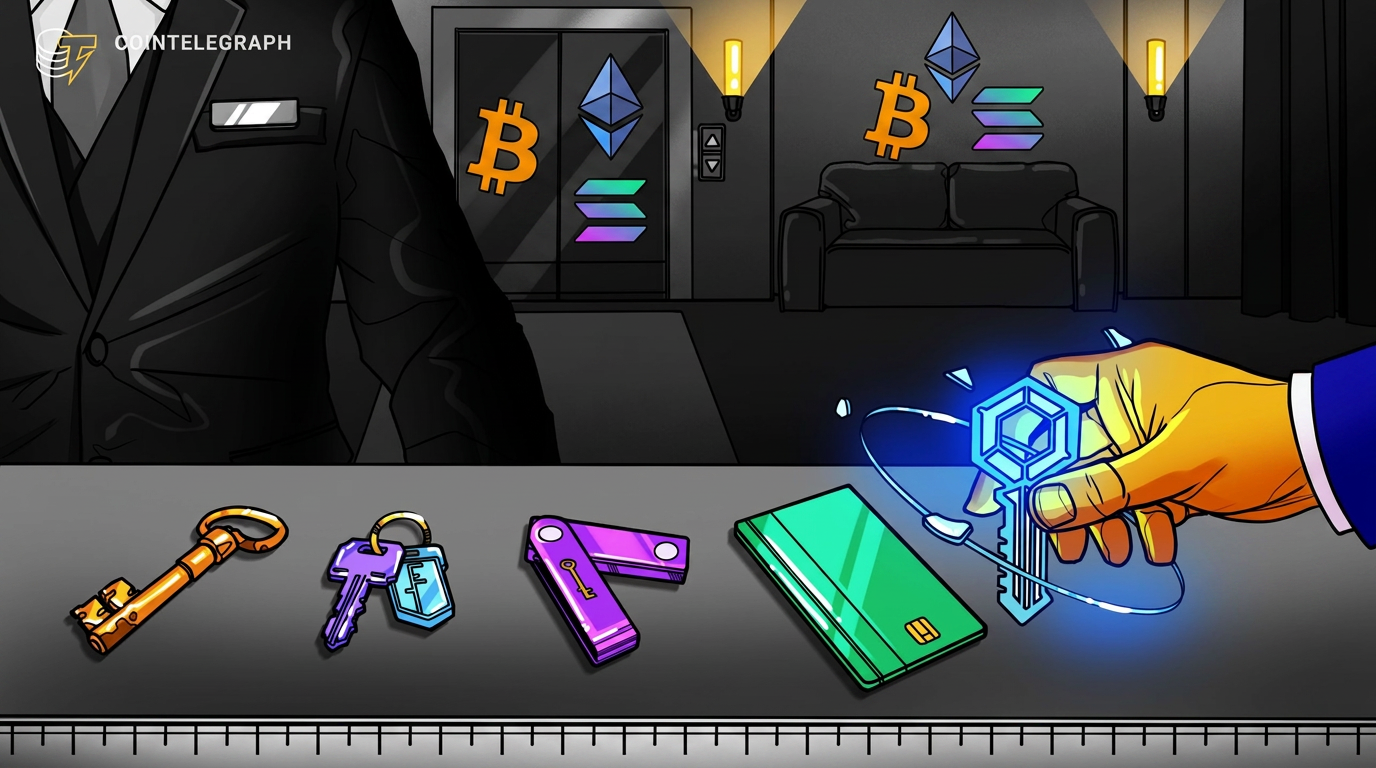
The core of the proposal involves wrapping existing keys in a protective layer rather than replacing them. Instead of discarding the ECDSA logic that governs most of the current blockchain world, this approach shifts the security burden to a pre-signed or multi-signature framework that integrates quantum-resistant layers. It functions like a reinforced vault door placed in front of your existing safe.
For builders, this is about backward compatibility. We have spent years building infrastructure around specific address formats. If we can achieve quantum resistance without breaking those formats, we avoid the technical debt of a global hard fork or the chaos of a million individual migrations.
The Infrastructure Reality Check
Most of the talk around quantum computing in crypto is either pure hype or pure doom. The reality is that we are likely years, if not a decade, away from a quantum computer capable of cracking a 256-bit private key in a reasonable timeframe. However, the “store now, decrypt later” threat is real. Malicious actors can harvest encrypted data today and wait for the hardware to catch up.
What I like about the AmericanFortress approach is that it acknowledges the human element. Most users are not cryptographic experts. They are barely comfortable managing a seed phrase as it is. Asking them to move funds to a new, unfamiliar PQC wallet is asking for a double-digit percentage of all liquidity to be lost to user error. A solution that allows a wallet to “evolve” into a quantum-safe state while remaining at the same address is a massive win for retention and safety.
Why This Matters for Founders
If you are building an L2 or a cross-chain protocol, the security of the underlying L1 is your biggest systemic risk. If Bitcoin or Ethereum can be compromised at the signature level, your entire stack collapses. Up until now, the assumption was that the community would eventually agree on a fork to move everyone to PQC addresses.
But consensus is hard. We have seen how long it takes to implement even minor upgrades. A migration-free path reduces the social friction required to upgrade the network. It allows the protocol to strengthen itself without needing 100% of the user base to take manual action. From a founder's perspective, this reduces the long-tail risk of your users being wiped out by a technological shift they aren't equipped to handle.
The Skeptic's Corner
While the proposal is promising, we have to look at the trade-offs. There is no such thing as a free lunch in cryptography. Adding layers to an existing address usually increases the size of the witness data or the complexity of the transaction. This could lead to higher gas fees or slower confirmation times for those using the protected addresses.
There is also the question of implementation. For this to work on a network level, it needs more than just a clever whitepaper. It needs to be integrated into the core software of the major chains. Convincing the Bitcoin core devs or the Ethereum Foundation to adopt a specific third-party scheme is often harder than solving the math itself. We have to see if this remains a proprietary tool or if it becomes an open standard that the rest of the industry can rally behind.
The Legacy Debt of Crypto
We are currently living in the “legacy” era of crypto. Much of the code written in 2015 is still the foundation for billions of dollars in value today. The industry is reaching a point where we have to choose between burning the old world down to build something better or finding ways to retroactively fix what we have.
AmericanFortress is choosing the latter. By focusing on Bitcoin, Ethereum, and Solana, they are targeting the bulk of the market's value. If they can successfully prove that a wallet can be secured against a quantum adversary without changing the underlying string of characters that represents that wallet, it changes the roadmap for the entire industry.
Takeaway for the Weekend
Don't panic about quantum computers yet, but start paying attention to the transition methods. The winners in the next era of infrastructure won't be the ones with the most complex math; they will be the ones who make security invisible for the user. If we can fix the quantum problem without asking the average user to do a single thing, we have a real chance of building a permanent financial system.
- Quantum threats are a long-term risk, but the “store now, decrypt later” strategy makes it a current concern for high-value targets.
- Migration is the biggest hurdle to security; any solution that keeps addresses static is a major UX breakthrough.
- Retroactive security layers could prevent the need for catastrophic hard forks in the future.
- Builders should prioritize protocols and tools that think about backward compatibility and long-term key management.
Read the original at Cointelegraph →