For the longest time, the narrative in tech was suffocatingly simple: if you weren't in Palo Alto or San Francisco, you weren't playing the real game. You were considered a regional player, a niche hobbyist, or someone who just couldn't hack the rent prices of the Bay Area. But the tide has shifted, and not just because of remote work. It is shifting because the nature of what we are building—specifically in the intersection of AI and deep tech—requires a different kind of soil than what Silicon Valley currently offers.
The End of Geography as a Gatekeeper
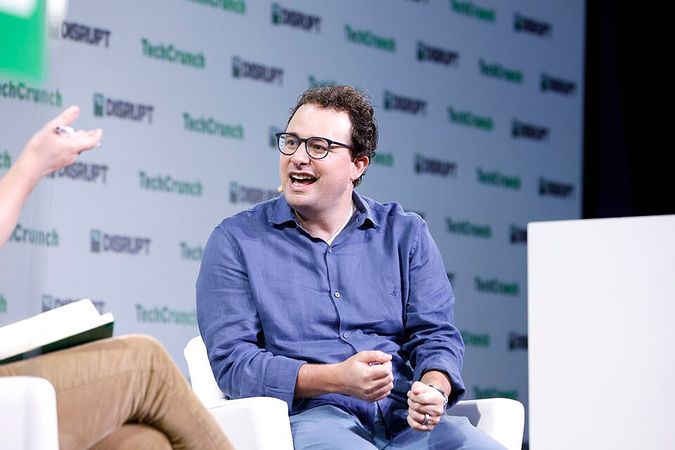
TechCrunch is heading to Boston for their Founder Summit on November 4th, and while these events usually serve as networking fodder, the location itself is the message. Boston has always been the quiet, academic sibling to the Valley’s loud, disruptive persona. But in a builder-first economy, quiet competence is becoming a massive competitive advantage. When we talk about crypto infrastructure or LLM breakthroughs, we are talking about long-term engineering, not just growth hacking a social app.
Building something big outside of the traditional California bubble is no longer a disadvantage; it is a filter. It filters out the noise, the groupthink, and the constant pressure to pivot based on whatever is trending on X that afternoon. If you are building in Boston, or Austin, or Miami, you are likely building because you have a specific thesis, not because you are trying to impress the person at the next table at Coupa Cafe.
Why Builders Should Care About Regional Hubs
As a founder, your biggest enemy isn't the competition; it is distraction. The Silicon Valley echo chamber is the ultimate distractor. When everyone is talking about the same three sub-sectors of AI, the valuations get bloated and the talent wars become unsustainable. Regional summits like the one in Boston highlight a different path: sustainable growth supported by local ecosystems that aren't just looking for the next exit, but are looking to solve foundational problems.
Boston, in particular, offers something the Valley struggles with: a direct pipeline to world-class research institutions that prioritize hard science over market sentiment. For those of us in the crypto and AI space, this is where the real work happens. We don't need more wrappers; we need better protocols and more efficient models. That kind of work thrives in environments where the focus is on the lab, not the launch party.
Networking Without the Fluff
The upcoming summit is framed around founder-focused agendas. In plain English, that means less time listening to VCs talk about their "investment philosophy" and more time talking to other people who are actually writing code and managing burn rates. The reality of being a founder is often lonely, and that loneliness is amplified when you feel like you're on the outside looking in because you aren't in a specific zip code.
The takeaway for builders is clear: the infrastructure for success is becoming decentralized. You can find your co-founders, your seed funding, and your early adopters in hubs that value substance over style. TechCrunch moving their focus to these areas is a trailing indicator that the smart money has already realized this.
The Cost of Entry
There is always a financial barrier to these events, and this summit is no different with its tier-based pricing and group discounts. However, the real cost to consider isn't the ticket price; it's the cost of staying isolated. Whether you attend this specific event or not, the lesson is that you need a tribe. If that tribe isn't in your backyard, you have to go find it, even if it means a flight to the East Coast.
Founders often fall into the trap of thinking that "building" only happens at the keyboard. But building also happens when you challenge your own assumptions through conversations with peers who are facing the same scaling issues you are. If you can save a hundred bucks on a pass, great. But the value is in realizing that the 'center' of the tech world is wherever the smartest builders happen to be standing at that moment.
A Founder's Perspective on Scaling Locally
If you are currently building in a non-traditional hub, don't feel the need to apologize for your location. Use it as a selling point. Talent in Boston, for example, tends to be more loyal than talent in San Francisco. The burn rate is often more manageable. The proximity to diverse industries—healthcare, robotics, and finance—provides a testing ground that isn't just a feedback loop of other tech companies.
We are entering an era where the 'Silicon Valley address' is a vanity metric. What matters now is the speed of iteration and the depth of the technical moat. Events like the Founder Summit are less about the brand and more about the validation that the next wave of massive companies is being built in places you might not expect.
The biggest mistake a modern founder can make is believing that innovation is tied to a specific set of coordinates.
As we look toward the end of the year, the goal for any serious builder should be to expand their network beyond the obvious. Whether it's through these types of summits or grassroots local meetups, the walls are coming down. The 'big thing' is being built right now, and there is a high probability it isn't happening in a rented office in SoMa.
Final Takeaway for the Skeptical Founder
Don't buy into the hype of any single event, but do buy into the reality that the geographic monopoly on tech is over. If you are in Boston on November 4th, use it as a chance to stress-test your ideas against people who aren't in your daily bubble. If you aren't, take it as a sign to stop worrying about your zip code and start focusing on your code. The world is getting flatter, and for the builder who knows how to execute, that is the best news possible.
Read the original at TechCrunch Startups →